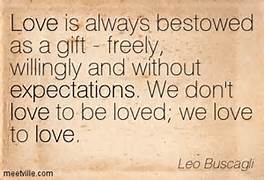
What Do You Want?

Wishlist
Every day businesses undertake projects that are intended to guide and shape their futures. Considerable effort is put into these projects – countless person hours and dollars.
But studies show that these projects often fail. And for those that don’t fail, a relatively small percentage can truly be considered a success.

Most projects fall into this “other” category where they aren’t outright failures; but they didn’t really achieve what they had set out to do. For these projects, their success is measured in relative terms.

Because of the costs involved, a lot of time and effort has been spent trying to understand this problem.

Why do projects not have a higher level of success? Is it due to shortcomings in the people involved? Is it the approach organizations take? And what can we do to try and improve the level of success in the future.

Often the failure of projects can be boiled down to one basic problem:

The business didn’t know what it wanted, or what it was trying to accomplish. It had a pretty good idea of what it wanted; but it didn’t truly understand its own needs, or requirements.

What exactly is a “Requirement”?

A requirement can be thought of as an action or property that something must have in order to have perceived value.

This definition of a requirement came from a business book. But really, it applies to anything.

When you buy a car you expect certain things from it. There’s an assumption that at the very least you will be able to start, stop and steer a car. If it doesn’t meet these criteria, then it doesn’t perform the activities we expect and therefore you wouldn’t buy it (it doesn’t have perceived value).

Of course you may buy a broken car as a hobby project or as a collector. But if either of those are your intent then you come in with a specific set of requirements for what you are looking for.

Going back to the business world, it is estimated that as much as 60% of (business) problems come from incorrectly identifying requirements. From not truly knowing what it is that a business wants, or is trying to accomplish.

See, businesses often don’t actually know what they want. And to actually achieve success in getting to what you want, having a *pretty good idea* isn’t nearly enough.

Can You Describe What You Want?

Not knowing what you want is a common business problem, but it’s also a common people problem.

I see this as something we all face, in all aspects of our lives. And like business projects, this is probably one of the main causes of failure people have in their personal relationships.

Not knowing what you want happens in a few different ways.

First, like businesses people often only have a general idea of what they want but they don’t really understand the specifics of it.  To a degree this is understandable, but it makes it very difficult to know if something has actually achieved its requirements. How can we determine if something is successful if we don’t even know the criteria we are measuring something against?

In relationships people often use “happiness” as their measure of success, and I constantly see/hear things like “I just want to be happy”, or “people deserve to be happy”.

Fair enough. But what does that mean?

Saying you want happiness is like saying you want to go on vacation somewhere; and then jumping in your car and driving randomly figuring you’ll see where you end up. You could do it, and it might even be kind of fun. You’ll definitely end up “somewhere” and will probably have some new experiences along the way (of course, some of them may be experiences you later wish you never had).

Something like happiness can be elusive if you don’t know what it means to you.  People seem to figure they will know it when they find it; but that’s kind of like driving randomly without a map and expecting to get where you want.

It *may* happen. But if it does it’s probably more luck than anything.

One problem is, it’s very difficult to say what constitutes happiness.  It’s not status, beauty or wealth – as many who seem to have everything are miserable while many who seem to have nothing profess to be happy. And it’s not just something you can “feel”, as there are a number of things and conditions that can make people depressed and struggle with the feeling of happiness.

So chasing happiness doesn’t work.

But you can have other things you want out of life. You can try to accomplish things for yourself, and for those around you (such as wanting to support your loved ones in the things they do).

To truly be happy in life and in love, you need to have a pretty good idea of what you are looking for.  And you need to be able to articulate those things.  Because if you can’t, how will you ever know if you find them?


A second problem is that sometimes people believe they know what they want. But once they get it, they realize it’s not actually what they were looking for.

This happens all the time, and I think it is an important and valuable experience. It happens when people think they understand their problem, while in reality they have come up with a possible solution. And it turns out not to be the solution to the right problem.

There are countless stories where someone wasn’t happy, and they attribute this unhappiness to *something*.  Maybe their job, or their appearance, or their relationship, or…

…the list can go on.

So they change things. And often find they aren’t any happier. In fact, sometimes they are even less happy, because they threw out one of the positives in their life in an attempt to find what was wrong.

When this happens, they thought they knew the solution to their problem.  But they were searching for a solution to a problem they didn’t truly understand.

Knowing Yourself

I titled this post “What Do You Want?”

We all have things we want out of life and love; and if we don’t, we should. But often, we aren’t really sure what those things are.  And when we do, it’s sometimes viewed as a negative thing.

It’s easy to say you have goals in life.  But love involves two people (generally). So wanting something out of love means that you actually have expectations of the other person.

And this can cause resentment.

Often I see people saying things like:

Why can’t someone just love me without expecting anything in return?

We seem to live in a world that thinks it’s bad to expect things from people. There are all sorts of sayings like “the best way to avoid disappointment is to not expect anything from anyone”, or “true love begins when nothing is looked for in return.” I understand the sentiment behind these sorts of statements, but feel it is a dangerous way of thinking.

Love has expectations. To me that’s a simple truth.

If it didn’t, people could marry and be happy with anyone, and clearly that’s not the case. Somehow it’s alright to say that people can have standards, but expectations are “bad”. Is there really a difference?  Expectation is an important aspect of any healthy relationship, as they are simply a way of articulating your requirements – the actions and properties you feel you need as part of the relationship.

Of course it is important that expectations are realistic, and there is a difference between expectations and entitlement.

We all have things we need from our friends, our families, our careers, and yes – even our partners.  And understanding yourself and what you want is extremely important for your own happiness.

Often the people who are chronically unhappy are people who just kind of slide through life, rarely making decisions, and rarely having goals. They’re like the person driving randomly, hoping to find a place to end up.

Personally, I don’t want to be happy. I mean I do, but I don’t see it as a goal.  Happiness is really part of an experience, or a process.  But the journey is the important part.

There are things I want out of life, and out of love, and I have expectations for all the people I care about. My parents, siblings, friends, children, and my partner. And I think it’s only fair that they in turn have expectations of me. But most importantly, I have expectations of myself.

The people in my life won’t always be able to meet my expectations, so yes at times I will be disappointed in them. And I’m sure there will be times that they will be disappointed in me.

That’s life though.

I won’t always be happy, and that’s alright. When I’m not, it’s not necessarily a reflection on the quality of my life, or of the people around me.

Instead of happiness, I want a life where I can be both happy and sad. Joyful, and angry. Curious and afraid. I want to live a life that combines the mundane aspects of day to day life with the bigger experiences, those moments you look back on and remember.

Sadness is part of that. So is anger, hurt and disappointment.  I’m not saying I look forward to them, but I accept them as part of my journey.

In the end, all I hope is that the good moments outweigh the bad.

The Last Mistake

brokenRock

I’ve played a lot of basketball over the years, and during that time I’ve been part of many wins and loses.

Often the losses that hurt the most are the close ones. The ones where we gave up a lead in the last seconds, or the ones where we made a run that just felt short. For those games, I can still remember some of those closing moments. I can remember the mistakes made either by myself or other teammates, and I can remember the feelings of loss and disappointment that came with it.

When you lose like that, it’s easy to look for what “cost you” the game. And often the things you remember are the mistakes made in those final moments, when it all fell apart.

The thing is, those mistakes are really just the last mistakes. The final ones. They may hurt the most, but in a close game they were never the deciding factors.
Basketball is a game with many possessions. And with all these possessions one of the things that often gets lost is this – every moment you are on the court, whether you are looking to score or looking to defend, you are influencing the outcome of a game.

Every. Single. Moment.

The final score is really just the sum of all the decisions made in the whole game. Positive or negative, each one counts.

So in a close loss, was a missed shot at the end of the game really more important than a miss that happened at the beginning?

Not really.

The final mistake often takes on more meaning because you know time is running out. When you are down two points with thirteen seconds left, you can feel the weight of your decisions in those seconds. You know this is your last chance.

If you are down two with six minutes left, it doesn’t seem as real, or as immediate. You can tell yourself “there’s still time”. And one unfortunate side effect of feeling there’s still time is a tendency not to take those early mistakes seriously, and to treat them like they aren’t as important as the later ones.

But no game is ever won or lost in the last moments. And on a team, no one member is ever entirely at fault.

Breaking Down Over Time

Often when relationships either struggle or fail, there are strong feelings of loss and disappointment. So we search for answers.

What happened? How did it go wrong? When did it go wrong?

In those moments it’s easy to focus on the latest mistakes. With the immediacy of “the game running out”, they often take on greater meaning for us. But although the final mistakes can be big ones, with people checking out emotionally, and displaying selfish and destructive behaviors, no relationship fails due to the final mistakes.

stone-cutter-quote

Like the stone-cutter hammering away at a rock, the final mistake seems to be the one that causes a relationship to fail. But the failure was being built in slowly, with hundreds of little decisions and mistakes over time. All the little times someone was hurt, or didn’t feel valued or appreciated. Taken individually these instances may seems small, but when you add them all up, the relationship has really suffered death from a thousand cuts.

It’s important to understand that for good or for bad you are influencing your relationship every single moment.

When relationships fail, it’s usually due to years of little problems and neglect, combined with poor communication leading to resentment. When this happens, instead of being a place of safety and security relationships become sources of tension and struggles for control.

Sometimes I read other blogs, and I hear people talk about withholding things from their partner. Whether conscious or subconsciously, this is a passive aggressive form of punishment. Sex is a big one, but often kindness, caring and even basic signs of affection and respect are held back.

At some level I understand this. When you are upset with your partner, you probably aren’t feeling loving or affectionate. But at the same time, when this happens I mourn for the people involved. Withholding is a form of control, and love and control do not go together. When a relationship hits this point, it seems it’s just waiting for that final mistake. And that final mistake will not be the one that caused the failure.

Winning and Losing

Thankfully, while a series of mistakes over time will cause anything to break, the opposite is also true. The initial bond of a relationship may be forged in the years when you are first getting to know one another, but to keep that relationship strong you have to work at it and maintain it over time.

In one of my favorite posts I talk about using this idea that every single decision matters, and applying it in a more positive way. If you truly want your relationship to last forever, it doesn’t just happen. You need to work forever into your life with the actions you take each and every day.

Time-decides-your-life

Behaviour. Decisions. These are choices that we make.

Don’t wait until your relationship is in the brink before you start fighting for it. Fight for it by not letting the little things go unsaid. Fight for it be accepting that no matter where things are, they can always get better. Fight for it by trying to let go instead of holding onto hurts and withholding affection. Fight for it with consistent effort, each and every day.

Every moment counts.

And it’s up to you to decide what you want to do with them.

Communication Is Hard

In life, communication is probably one of the most important skills we can learn.

But it’s also one of the hardest.

I recently had a bit of a back and forth with my sister, and it became clear that we were not “getting” each other. The communication was through email, and while written communication allows people an opportunity to get their thoughts out in an organized fashion, it is also prone to misinterpretation.

See, we all have our own triggers and filters. So no matter how clear one person *thinks* they are being, they can’t control how the other person will receive the message. This idea is summed up pretty well here:

what we see

It’s true, we don’t see things as they are presented. We see things as we interpret them. These interpretations are based on our own experiences, and sometimes they can be quite different from the initial intent.

This concept was definitely played out in our interaction.

She had some thoughts and ideas she wanted to share, I received them, interpreted them in a different way then what was intended, and responded accordingly. Sadly, this sort of thing happens all the time.

What makes matters worse though is that when she saw my response, she thought she had offended me. And because she thought she had offended me, she felt it was best to apologize and not address the issue any further.

How We Can Help

Maybe it’s just me, and my own poor communication skills – but I see this everywhere. We all have moments where we are scared to say the wrong thing, or do the wrong thing, and hurt someone we care about. So often, we say or do nothing.

It’s natural, and understandable. But I feel this approach is very broken.

When you care about someone, you will hurt them sometimes. You will piss them off sometimes.

And that should be alright.  That’s part of what a relationship is about.

When you genuinely care about someone, you care when you see them hurting. And you want to support them and help them however you can. Thing is, you can’t actually “do” anything. With the people we love, we can be there to listen and support them. And we can try to make suggestions and advise them. But that’s about it.

Incidentally, this is one area that guys seem to get themselves in trouble. Guys are “fixers”. We have a hard time listening without thinking solution. Not sure why, but it seems to be something that’s hardwired into us. And from what I read/hear/see, women don’t actually like that. Sometimes they want to talk and have us guys just listen and not say anything. Ladies, I have to tell you – sometimes it’s really freaking hard to do that.

In any case, everyone has their own battles to face, and only they can face them. So even when someone you care about is hurting, or you think they are making poor decisions, or you think you can help them – you can’t actually do anything more than listen, support and advise.

It’s the advising part that gets us in trouble though.


Dealing with Advice

When offering advice, how you do it is very important. It always has to be done in a way that is about the issue or behavior at hand, and not the person. No matter how careful you are though, you still have no control over how the other person will interpret what you say.

And sometimes the recipient will not to be receptive to what you have to say.

People don’t like being criticized, told they are wrong, or feel they are being told what to do.  And advice can often feel like all of those things.

It’s important to remember advice is often an attempt at constructive criticism, and not the same as being critical of the other person. It’s only when it is poorly presented or when we are oversensitive that they things can appear the same.

If you are someone who can’t take criticism (constructive or not), consider this. People often provide advice for two different reasons:

  • they feel they know everything, and they are more than happy to share their opinions (solicited or not). Often trying to force their ideas on someone else
  • they feel they may have experiences/knowledge that gives them insight into what someone is going through, and they want to share that to try and help the other person

These are two very different approaches. And when in doubt, it’s probably a good idea to assume that someone is giving advice because they do actually care, and want the best for you.

Learning to accept criticism is very important.

Everyone’s experiences are different, and no two situations are exactly the same. Even if they were, we are all different so what works for one person won’t necessarily work for another. But we can still try to learn from each other. Learning is all about doing things, seeing flaws in our approaches and learning from them.

We can’t learn unless we accept the flaws and limitations in how we do things. And sometimes we are blind to those flaws, and need some guidance from the people who care about us.

criticismImprovement

If someone can’t take criticism, often this is more an issue with them and their own insecurities.  But it means they often remain stuck, and unable to improve on where they are.


Afraid to Offend

When people care about each other, they shouldn’t be worried about hurting each other. They should be careful about what they say and not hurt the other person intentionally, but hurting each other is part of caring about the other person. They tend to go together.

It’s only when you do care about someone that they have the capability to hurt you.

I think good communication is about being able to say what you feel is right without fear of how the other person will interpret it. And also being able to accept that your thoughts may or may not be accepted the way you want, and that’s alright.

A big issue with communication is that people worry too much, and end up scared to say the important things because they feel the other person will not see it as information/advice, and will instead take it as an attack.
So instead they say nothing.

When it comes to the people we love and the people we care about, I think one of the most important things we can do is learn to say “no”, or to say “I disagree”. If I’m being selfish, a jerk, or an idiot – I WANT the people I care about to call me out, to tell me that how I am acting or what I am doing is not acceptable.

It may hurt, and it may piss me off. But that’s alright.

To my sis, I know she cares. We won’t always see eye to eye, and that’s alright. If there’s something she wants to say, I don’t want her to ever be scared to say it. If I think she’s out of line I will tell her. But I’ll also listen, and consider what she has said.

And to me, that’s a big part of what relationships are about.

avoidingCriticism

A New Beginning

2016 is almost here – the start of a new year.

Often, this changing of the calendar year is seen as a clean slate and a time for change. People make new years resolutions (often around exercise and diet). This will be the year that they get in better shape, take that course, quit smoking/drinking, get that promotion or find that special someone. Whatever it is, this will be the year that things change, with the perception that these changes will bring improvements in their life.

And people do make changes.

For a while.

For many years I was a regular at a local gym, and the first few weeks after new years were the busiest times of year. The number of attendees would jump by 20-30% in those first few weeks, and then would start to taper off again. And by February the new group of “regulars” looked pretty similar to the group that was there before the new year began.

See, making changes is easy.

Sustaining them on the other hand? Now that’s another story.

Real, sustainable change requires commitment, dedication, and effort. But as much as people often talk about wanting changes, we don’t want to have to work for it. We’re looking for instant gratification. The easy button, and magic wand solutions. We are looking for the best of both worlds – ways to get the changes we want without having to sacrifice or change what we do now.

The thing is, why are we actually looking for change? Will those changes really improve our life? Will they really make us happier?

I won’t deny that many changes have benefits. For example, getting into better shape is generally a good thing. Often though, we don’t really need to make changes. Often what we are actually looking for is right there in front of us and has been the whole time. We have just become blind to it.

What we really need isn’t always change, but a change in perspective.

I’ve told this story before, but there are two events I can point to in my life that changed my perspective.

When I was in my early 20’s I spent a month in a poor country, staying with people who lived there. That month, I realized just how much I truly had back home, not only in terms of material items but also in terms of opportunity. Growing up middle class in Canada I knew there were some that were better off than me, and others that were worse off. But my life was my norm, and because of that I never appreciated it. Taking that trip allowed me to see my world in a new light.

Another moment was one of the first walks in the neighborhood that I took my first child on when we was learning to walk. It took us around an hour just to make it a few houses away, as he was fascinated by everything around him. Cracks in the sidewalk, bugs, the texture of trees and grass. Everything was new and magical for him. And allowing him to explore while doing that walk at his speed allowed me to appreciate just how much beauty I failed to notice each and every day.

January 1st does mark a new year. And it can be a time for change.

But instead of just making changes to ourselves and those things around us, also think about the things we already have. The world we know is our norm, and it’s very easy to take for granted.

So try to slow down, and see your existing world with new eyes. See the good and the beauty in what you already have instead of focusing on flaws and the things that are missing. When we are more appreciative and thankful for what we have, we are more satisfied in life.

To any readers out there, I wish you a happy close to 2015 and a wonderful start to the new year.

No matter where you are and what your situation, it is a magical world – if we let it be.

The Best of Both Worlds

easybutton

One of my co-workers is a first time grandfather, and recently spoke on how much he’s been enjoying the experience. In his words:

Being a grandfather is great, I get to have all of the fun but I have none of the responsibility.

It was said in humor, but there’s a lot of truth to this.

A grandparent is able to have a small window into the life of their grandchildren. They only see them occasionally, so it’s easier to make those limited moments special. It’s much easier to put in the energy to keep things special when the grandkids are only there for an afternoon, or maybe overnight and then they are back to their parents. And in those limited moments the grandkids are more likely to be on their best behavior.

Parents still have fun moments, but they also have to worry about all the little things. Food, care, homework, discipline, etc. And they need to do this on a consistent basis. Parents have all the little tasks that can be exhausting and thankless. As my co-worker said, grandparents get the fun parts and have the knowledge that they can return the grandkids when things get hard.

Think about that for a moment.

All of the fun with none of the responsibility.

In some ways, isn’t that the holy grail in life? At some level, aren’t we are all looking for the big “Easy” button?

Look around today, and you see all sorts of advertising that preys on this. Everywhere you turn you can find testimonials like:

  • my friend earned (insert some crazy amount of money) last week while working from home
  • This diet pill will let you lose weight fast (likely while still eating whatever you want)
  • Build muscle fast with this product
  • Make someone fall in love with you with these quick easy steps

Even politicians sometimes provide some variation on this, with platforms like “I’m going to decrease taxes, while increasing social services.” Which sounds great, until you take into account the fact that social services cost money, and if you decrease taxes you have less money to pay for things.

All of the fun with none of the responsibility.

We would all love to have a job where you can come and go as you want, have no responsibilities, and get great pay and benefits. We would all love to eat whatever we want without putting on weight. We would all love to look like models or athletes without having to exercise.

But that’s not how things work.

Usually higher pay is reserved for jobs that have higher responsibilities and educational requirements. Cheeseburgers and Doritos are delicious, but if you eat too many of them you WILL gain weight. And looking athletic and fit requires a combination of diet and hours of dedication to exercise.

Sure, there are some cases where people are just lucky. They are in the right place at the right time, or are they hit the genetic jackpot. It does happen sometimes.

Hell, the whole lottery industry is built on the idea that if you make the cost of entry small enough, a LOT of people will take a chance in the hopes of winning the big prize.

But the odds are astronomically stacked against you. In the real world there are no short cuts, no easy buttons and no magic wands.

When something seems too good to be true, it probably is.

Responsibility in Relationships

If you take the premise of “All of the fun with none of the responsibility” and apply it to the world of relationship, you know what you get?

Dating.

Isn’t that really what dating is? It’s the early stages, where everything is new and exciting. You get to go out and just “have fun” – which can mean anything from a walk through the park to dinner and movie to casual sex. There are hopes and expectations on the part of both people, but there is no pressure on anyone to meet them. If you don’t feel like going out you don’t have to. And if things aren’t going well you can just walk away. No commitment, and no responsibility.

When things start to get more serious, two individuals start to become an “us”. Suddenly it’s not just about you any more. Responsibility starts to come in. The needs and wants of your partner have to matter as much as your own. Plus you are usually building towards something, which involves having to make some sacrifices in the short term for long term game.

Now when conflict occurs you can’t just walk away. Commitment forces you to work on issues – hopefully addressing them and sometimes acknowledging them as simply differences between people that you need to accept.

Add managing a household, a budget, maybe a couple of kids; and suddenly, it’s not all about “fun”, and doing what makes you happy.

And this is where the challenge comes in.

Stuck in a Rut

People often talk about wishing that things were “like they used to be”. They want to recapture those feelings of the early days of a relationship.

In long term relationships it’s easy to get so caught up in day to day life that we take each other for granted and lose track of what brought us together in the first place – things like fun, attraction and excitement. In fact, this is probably one of the biggest issues with long term relationships. So I understand wanting to recapture the early days, and think it’s understandable and even admirable.

It’s a positive thing when you realize you are in a rut where you have lost sight of each other as a couple, and you want to work to rebuild that connection and spark. This is a time when some couples start carving out more time for each other, maybe plan some date nights, try to have fun together again and reintroduce an element of romance that has been lost.

Unfortunately, some people take different approaches.

Instead of working to improve the relationship, some people look for easy ways to find that excitement again, so they look for it outside the relationship.  Some have affairs, others propose things like “open relationships” (which to me is simply an affair where you have asked permission first).

These are simply escapes. Ways of trying to escape from the pressures of life into an imaginary world where they can have all the fun without any of the responsibility.

Best of Both Worlds

I don’t think people who have had affairs are necessarily bad people. But they are people who have made bad choices.

Selfish choices.

In my last post, I listed 3 keys for a successful relationship. Love each other, don’t be selfish, and communicate.

I think affairs (or pushing for open relationships) pretty much lead the pack in selfish behaviors.  Often the people who do these things DO actually love their partner/spouse. It’s the selfish part they struggle with (and probably the communication).

So they try to have “the best of both worlds”. The comfort and stability of home and family, while also having the freedom to do what they want.

Instead of putting the effort into improving their relationship they take the easy route and look for the fun and excitement on their own terms. They want the relationship, but they also want to be able to act like they are single.

relationshipandsingle

When you take the easy way out, you are escaping into an imaginary world, and one that is not built to last.

Most affair relationships last less than two years. When they fall apart it’s usually because the imaginary bubble has been burst. They realize that the new person also has flaws. They were exciting and new, but now they are known.

Their escape may have started as all fun, but it started to have responsibility, problems and expectation as well.

Some people are serial adulterers, because they are always searching for the easy way out. The quick fix, the easy thrill.

But eventually most people realize there are no magic wands. There are no easy buttons.

Putting in Effort

Success in life isn’t an accident. It takes planning, and dedication.

People seem to understand that to get a good job they (usually) need to put in time to get schooling or learn a trade. They understand that if you want to excel at a sport or a musical instrument, you need to put in time to learn. And the more time you put in, the better you get. Olympic athletes don’t achieve that level by chance. Sure, they may have good genetics but it still requires dedication and sacrifice.

It’s a pretty simple formula – what you get out of something is dependent on what you put into it. You may not be able to guarantee your level of success, but you CAN guarantee that additional effort improves your chances of success.

Yet many people seem to believe that a successful relationship should “just happen”. That you shouldn’t have to work at it. That if you simply love one another, everything should be rainbows and butterflies.

I think that’s insanity.

A relationship is no different than anything else – shortcuts don’t work.

So if your relationship is in a rut or in a bad spot, it’s up to you to decide how you want to proceed. You can wait, and hope it magically gets better. You can check out on the relationship and start living largely independent lives (pretty much assuring things never get better). You can tell yourself that “this is just what happens in long term relationships”, and accept it as normal. You can escape the relationship issues by having an affair. You can even end the relationship, and tell yourself that things will be better in the future if you just find the “right person”.

There are all sorts of paths you can take.

And one of those paths is to work on things. To focus on the three keys – love each other (even when it seems hard), don’t be selfish, and communicate.

There are no easy buttons.

You only get out what you put in. If you work at your relationship, it can improve. So instead of trying to have the best of both worlds, work to make the world you do have the best it can be.

committment

3 Keys to a Successful Relationship

Couples-holding-hands

When I started writing about relationships a few years back, I started with a simple premise and a question.

My premise was, in most cases when people get married they truly love each other and expect it to last. They believe they are committing to forever.

But many marriages fail. And many that “succeed” end up as unhappy marriages where people no longer love each other and live largely independent lives.

My question was, why? Why does this happen? What are we doing wrong, and how do we prevent it? How do give our marriages the best shot to last?

Over the past few years I’ve spent a lot of time thinking and writing about this. I’ve read other people’s stories, and I have to say I find it remarkable how although every situation is different there are many commonalities. I think we’re all doing the same things, and screwing up in the same ways.

People go into a relationship thinking Hey, we love each other. That’s what matters right? Isn’t love enough?

We all start with love, or at least what we think is love (more on this later). Yet divorce rates continue to hover around 50%. So while I think love is an important starting point, it’s clearly not enough.

I believe there are three basic rules needed for a strong relationship:

  1. Love each other
  2. Don’t be selfish
  3. Communicate

With a bit more focus on these three things, I think any relationship can be better. Thing is, you need all three. And when you don’t, problems arise over time.

Rule 1 – Love Each Other

Loving each other should be the easy part. However, depending on our age and experience I’m not sure if we really understand what love is. I recently saw a great line:

People don’t understand what love is, and they confuse the combination of sex and excitement for love

I truly believe that most of us don’t understand love, we really don’t “get it”.

We start in relationships that are mostly lust and excitement, and hopefully it grows into more over time. Learning to love one another takes time, effort and understanding.

But loving each other all the time isn’t easy.

It’s important to accept that loving someone and liking them are two different things. People have good days and bad days. Sometimes people are jerks. Sometimes people we care the most about hurt us.

In a relationship I think it’s fair to say that you won’t always like the other person. But for the relationship to be successful you need to always love them. And you need to understand that loving someone doesn’t mean you have to always like them.

How do we do that? Love isn’t just a feeling, and it’s not just a word. We need to love people through our actions. And we have to be vigilant against getting complacent and taking them for granted.

Rule 2 – Don’t be Selfish

If loving each other is fairly easy, than being unselfish is a bit harder.

We all come into our relationships as individuals. The relationship starts because of what it does for us, and what we get out of it. Yes, we want to do things for our partners because we care about them, but also because we like how it feels to see them happy.

The thing is we had our own lives before. Our own interests. Our own friends. Now we are fitting this new person into our life, and finding that balance that will allow the relationship to flourish while maintaining our own identity can be very difficult.

People say you need to put your partner’s needs before your own. That’s a noble sentiment, but I think it’s flawed. You matter too, and if you believe you always need to put your partners needs before your own then that is kind of like saying you should live for them or do things the way they want.

Ummm, no.

A relationship has to be mutually beneficial. For that to happen, you need to be willing to put your partners needs at the same level as yours. Not above, and not below. And doing that consistently is very difficult.

A relationship is a partnership. Both people need to be feel valued, appreciated, and happy. Any time one person is putting themselves above the other, they are creating an imbalance in the relationship.

Rule 3 – Communicate

I know it’s cliché, but the key to keeping a relationship healthy is communication.

communication_is_needed

I heard this for years and thought that I “got it”, but it’s only recently that I have truly started to understand this.

Imagine for a moment that in a marriage, people are like two ships heading for a destination. If you haven’t shared your vision of where you want to go, and you just assume the other person wants the same things, sometimes you find out you aren’t actually heading to the same place. And often by the time you find this out, it’s too late.

That’s a pretty fundamental flaw to start with.

But lets imagine that both you and your partner did actually start out with a shared vision of where you wanted to go. You are still two separate ships.

If one or both of you are off course by a little bit, the longer you go on this way the more impact it has. And in a long term relationship, we all get off course once in a while. Or maybe our course changes.

This is where effective communication has to come in. An ability to listen without anger, criticism, defensiveness or ego (something much easier said than done), and to respond with empathy.

relationshipcommunication

Effective communication allows a couple to have periodic course corrections, preventing problems from getting too big and preventing them from getting too far apart.

Communication is freaking hard though. No one teaches us how to do it, so we try to learn it on our own. And because it’s hard, it’s easy to convince ourselves that avoiding problems will work. If we avoid things, maybe they’ll get better on their own.

Without those course corrections though, we just get farther and farther apart. And by the time we are willing to acknowledge there is a problem it is often too late.

Another issue with poor communication is that all relationships have problems and people can’t hold them in forever. So people turn to close friends either for advice, or simply to vent. But one of the biggest mistakes people make is having them come out with the wrong people.

This is a very dangerous thing to do. First, in doing so it can be very easy to violate trust. Additionally, the very act of opening up to someone is a large component of how intimacy is built in the first place. So opening up to the wrong person can place additional stresses on your relationship.

Someone is having problems at home, so they open up to a friend or a co-worker who lends a sympathetic ear. The opening up is a form of intimacy, and when the other person listens and understands, a bond is formed. Then they in turn start to open up. And suddenly, in addition to a troubled relationship at home you are building a bond with someone else.

This is how many affairs start.

And it’s something that could easily be avoided by simply working on communication in the relationship.

CommunicateWithYourPartner

Making it Work

As people, we are always only one half of a relationship. We have no control over the other person and their actions (and shouldn’t want it), so there is no way to “divorce proof” a relationship.

But we do have control over ourselves and our own actions. And these three actions are the ways to give our relationship the best chance at success.

Love each other, don’t be selfish, and communicate.

Simple, and obvious rules. But although they are easy to understand, they aren’t always easy to do.

But if we can accept that and work on them every day, we give our relationships their best chance of long term success.

Passive Aggression

gasmask_header

In my last post I talked about Avoidance, and how avoidance is one of the most destructive things you can do. It limits quality of life and personal happiness while also doing damage to relationships.

Relationships require communication – even (perhaps especially) about the difficult things in life, while avoidant people withdraw or check out when confronted with anything difficult or uncomfortable.

The avoidant approach is, why deal with something if you can ignore it? After all, if you ignore something long enough it will just go away on its own right?

Spoiler alert – it doesn’t. Actually, things just get worse. And here’s one of the main reasons why…

Avoidant people may do their best to avoid conflict, and they may “think” they are succeeding. But everyone has emotions, and feelings; and eventually these frustrations find a way out. But since they have never developed healthy ways to express and deal with emotions and feelings, they find “subtle” ways to express them.

Ways that are very, very damaging.

The Four Horsemen

In his book The Seven Principles for Making Marriage Work John Gottman says he can predict with a fairly high degree of accuracy whether or not a couple will succeed or fail. And one of his beliefs is the existence or amount of conflict itself has nothing to do with the success of a relationship.

What matters is HOW a couple fights.

He describes the following “corrosive negative behavior patterns” as being the strongest predictors of divorce, or as he put it – “The Four Horsemen of the Apocalypse”.

  • Criticism: No relationship is perfect, and we all have things about our partners that make us unhappy. Complaints are fine and are about behaviors you want to change. A criticism is a way of expressing the complaint that becomes an attack on the other person. With criticism, the issue isn’t the behavior – it’s the other person.
  • Contempt: This is the use of things like threats, name calling and insults. Contempt is when there is an air of superiority, and the offending person focuses on their partners mistakes instead of appreciating them and seeing the good. The existence of contempt is the highest predictor or divorce in a marriage
  • Defensiveness: This is when any attempt at discussion of issues becomes interpreted as an attack. When people get defensive, they attempt to “protect themselves” by doing things like counter-attacking, denying, or re-directing the conversation away from the topic at hand. There is no acceptance of the issue, or acceptance of responsibility. If you think back to my post on accountability, defensiveness is the first few steps – denial, blaming/justifying
  • Stonewalling: This is when in a discussion the listener emotional withdraws or “checks out” on the discussion. They likely are feeling emotionally overwhelmed, or flooded by the discussion; so they don’t engage. They may listen, but they don’t focus or give any clues they are actually paying attention. For the person trying to have a discussion, they feel ignored.

The first two are predictors of early divorce (supposedly 5.6 years after the wedding), while the next two predict later divorce (16.2 years after the wedding). Defensiveness and Stonewalling are the hallmarks of avoidance, and they are classic signs of passive aggressive behavior.


What is Passive Aggression?

Passive aggression is perhaps the worst thing you can do in a relationship. If you aren’t familiar with passive aggression, here’s another term for it – treating your partner like crap (I’m not sure if that’s the official scientific term. If not it probably should be).

What does passive aggression look like?

I found a great description of it at this site:

Passive Aggressive behavior can be defined as conduct which is conflict avoidant. Anger is not openly expressed but manifests itself by way of covert resistance, procrastination, withdrawal, sarcasm and more.

Broken agreements, withholding emotional support and/or sex, sabotage, sulking and silent treatment are all common features of passive aggressive behavior.

Many Passive Aggressive people simply refuse to contemplate that they might be doing anything wrong and simply do not believe their conduct to be anything untoward.

Basically it’s “conflict avoidant” behavior, where the real feelings of conflict (anger/frustration/resentment) leak out in other ways.

Passive Aggressive Behaviors

Here are a number of common passive aggressive behaviors (cobbled together from a number of sources):

Refusing to say what you mean. This is when someone will say one thing (usually what they believe the other person wants to hear) even when they don’t actually mean it. Sometimes they will say Yes when they really mean No. Or they will say “We’ll See” instead of saying No outright. But then they show what they “really mean” through their behavior.

Putting on a false face. This is similar to the previous one, but at a bit different. Passive aggressive people will often appear to be kind and agreeable, while inside they are actually hurt, angry or resentful.

Afraid to be alone, but also afraid of being dependent. There are difficulties with communication due to a fear of rejection that make relationships difficult. At the same time emotional walls are built to keep close relationships at a distance because there is a fear of dependence. Passive aggressive people do want relationships, but only on their terms. There is a strong need for control.

Learned Helplessness/Victimization. When conflict arises (which it will), the inability to deal with it often leads to anger and resentment. However instead of recognizing the problem is due to a lack of communication, it is perceived as being the other persons fault. “They” did this, or that. They caused the conditions that led to the anger (which of course is seen as justified). There is no ownership by the passive aggressive person. They are a victim of others being hard on them, unreasonable or expecting too much.

Resenting Demands/Expectations of others. Relationships have expectations, and these expectations form the boundaries of relationships. Passive aggressive people will often view others demands/expectations as unfair or unjust. But rather than expressing this and trying to find a path that works for both people they will hold things in and allow resentment for the other person to build.

Procrastination. Everyone procrastinates sometimes, but for a passive aggressive person procrastination is a form of control and punishment. They don’t like “having” to do things, especially when this is related to the expectations of others. So they won’t. But instead of saying they won’t, they make them wait and come up with excuses on “why” they haven’t been able to. When someone calls them out on their lack of follow through on things they either promised of agreed to, the passive aggressive person will often find ways to turn it around and blame the other person for why things aren’t done.

Not giving honest answers. When dealing with uncomfortable topics passive aggressive people will usually try to change the subject. When they can’t, they often say a lot of things without actually saying anything. Often no real answer is given. Or instead of being truthful, they will withhold information, and be selective in what they say and how they respond. They may not “lie”, but honesty is not just about the words you say. The ones you don’t say are often just as important.

Sulking/Withdrawing/Pouting. When things aren’t going their way, or they are unhappy about a situation passive aggressive people will shut down emotionally and withdraw. They will withhold affection, kindness (and empathy really) as a way of “showing displeasure”. Again, this is about punishment and control. Silent treatment and “walking away” are common ways of “dealing” with issues. This may sound a lot like tantrums. Well guess what, they are. This sort of behavior is basically an adult tantrum by someone who has never learned to communicate and deal with emotion in a healthy way.

Keeping Score. Passive aggressive people have a very difficult time letting things go. We all have times people hurt or disappoint us. Instead of confronting the issues, dealing with it and letting it go; passive aggressive people will hold onto things. Not only do they not let go, they also often feel someone doing something to them entitles them to do something in retaliation/response. In relationships (especially ones that matter to us) taking this approach is destructive, and will only escalate things.

Silent Treatment. This is one of the hallmarks of passive aggression, as well as being one of the great killers of relationships. When someone is upset they withdraw – emotionally and/or physically. Passive aggressive people often tell themselves they do this to ensure they don’t “say something they will regret”, and there is some truth to that. But they never return, and never deal with the issue at hand. They avoid it, and this becomes both a way of dealing with things as well as a form of punishment and control.

passiveaggressivequote

Take a good look at the items in the above list.

I’m pretty sure any rational person will accept these are all COMPLETELY TERRIBLE things to do to your partner. Hell, they’re terrible ways to treat people who you DON’T like; never mind ones you are supposed to be building a life with.

That said, we ALL do these things once in a while. But people with healthy communication and conflict skills realize they are being an asshole when they do it, while passive aggressive people don’t seem to see a problem with it – or they have a long list of excuses and reasons (usually someone elses fault) as to “why” they are doing it.

At least at some level though, even the people exhibiting these behaviors have to KNOW these are self-destructive behaviors that are damaging their relationships; as many of these behaviors are selfish, petty and cruel. These behaviors don’t belong in a “loving relationship”.

So why?

Why willfully engage in behaviors that at some level they know are destroying their relationships?

Why do it?

An Inability to Cope

There are two main reasons people are passive aggressive.

  1. They don’t realize they are doing it
  2. They don’t know any other way.

One thing to be clear on…

…when you look through these behaviors it can make it seem like passive aggressive people are horrible monsters. They’re not.

Often they are good, kind people “most” of the time. They simply been taught conflict is bad, so they have spent their lives repressing feelings and negative emotions, and have never learned how to effectively communicate and deal with conflict. As a result they are emotionally crippled, and shut down in the face of negative emotions.

Passive aggressive behavior often goes hand in hand with anxiety and avoidance, because at it’s root it is about a fear of conflict, and a feeling of powerlessness and helplessness that comes with being unable to deal with conflict.

Conflict happens though. It’s a natural (and needed) part of life. So passive aggressiveness is really about an inability to cope with the reality of life. This is why many passive aggressive people try to present an image of perfection. It allows them to create and escape to a fantasy world where conflict doesn’t exist.

Healthy Conflict

At the beginning I talked about John Gottmans book, and how he believes there are behaviors that are good predictors of divorce. Passive aggression is one of the biggest ones.

Well, what does a “healthy” relationship look like according to him? Gottman says the signs of happy couples are:

  • Couples who behave like good friends and handle their conflicts in gentle, positive ways.
  • Couples who are able to repair negative interactions during an argument, and are able to process negative emotions fully.

See the key words in those two things?

Handles conflict.
Deal with negative emotions.

These are things the avoidant and passive aggressive person either can’t or won’t do.

There is good news though.

People are not avoidant or passive aggressive by nature. It is a communication and coping style that is learned. Because of this, it is also something that can change.

I’ve written on change in the past, and although it’s not an easy thing to do is CAN happen. But for it to happen, the person making the change needs to truly understand how their behavior is hurting them. They need to face the mirror, and realize the way they have approached things has not been working.

If you are someone who defaults to avoidance or passive aggression as your default coping mechanisms, here’s something to consider:
Avoidance and Passive Aggressive behavior are among the most damaging behaviors one can have. When you look up “Toxic Behavior” the behaviors listed are usually lists of both passive aggressive and avoidant behavior.

If having your default coping mechanisms defined as “toxic” doesn’t convince someone to try and change, I not sure what will. However avoidance and passive aggressive behavior ARE toxic. They are behaviors we all should be aware of, try to recognize when we do, and try to minimize.

For our relationships, our happiness and for those around us.

Expectation vs. Entitlement

entitlement_header
Expectations seem to be getting a bad rap these days.

In recent posts I’ve discussed the idea of expectations in relationships (yes, they exist – and I would argue that’s a good thing). I’ve also discussed the idea that expectations are a part of setting goals, and having a vision for yourself and what you want in life.

Yet I continue to read things like “I just want people to love me without expecting anything from me”. There’s this idea that in unconditional love expectations are bad and people should just be satisfied with anything.

When exactly did “expectations” become demonized, and why? I suspect it’s due to a sense of confusion between expectation and entitlement.

Expectations are tied to our needs and wants. We need food and shelter to survive, so in the modern world some form of income is a need. Sex is a basic human instinct, and there is no clear consensus on whether it is truly a need or a want, but the fact that the argument even exists tells me that at least in some capacity sexual fulfillment is a need. The lines between needs and wants blur, and it’s pointless to try to differentiate the two; but expectation is a belief that our needs and wants are important and that we will attempt to fulfill them and that those around us will care about them.

However an expectation of something doesn’t mean it “will” happen, and periodically we find that our expectations are adjusted when reality doesn’t line up with them. But expectations are important, and there is nothing inherently wrong with them.

Life is an Exchange

When looking at expectations and needs in a relationship, I think you can draw many parallels to the world of work.

When looking at a prospective partner we are like a company doing interviews. We have a wish list of criteria and we are looking for someone that meets as many of those criteria as possible.

Depending on what you are looking for in a relationship these criteria will vary, but they usually include things like physical attraction, common interests, similar outlook or goals in life, sense of humor, reliability, sexual compatibility etc. If the relationship is serious things like outlooks on kids, responsibility and some degree of financial stability are also important. Criteria of a desirable partner is pretty subjective, but we all have *something* we are looking for which provides a perceived benefit to the relationship.

Finding someone who meets your criteria fairly well doesn’t mean you have a relationship though. Your partner has things they are looking for too. Their criteria may not be the same, but they also have to see value in what you bring to the relationship. It’s not a relationship unless both parties see some sort of benefit.

Even if the exchange is simply the enjoyment of each other’s company, both people must see some sort of value in maintaining and growing the relationship. If only one person sees value, the relationship won’t last – to suggest otherwise seems foolish to me.

Beyond criteria of what we are looking for in a partner, we also have some sort of vision of what we want our relationships to look like – with upper and lower boundaries of what is “enough”. Most people probably have not actually thought through what these boundaries are, they only know when expectations are not being sufficiently met.

I suspect most people understand that their partner could better match their “ideal” standard, but they could also be a lot worse. So this question of “what is enough” is central to determining the viability of the relationship. Relationships struggle when needs are no longer being sufficiently met on one or both sides. When this happens, each partner is really evaluating “is this still enough for me”? If not, some leave. Others believe it can it be better, and look for ways to improve things.

It is when relationships are struggling that resentment about “expectations” arise, but the expectations in question have likely always been there. It’s only now that they have become an issue.

My belief is, expectations are natural and we all have them. They are actually positive, because if we didn’t have them then how could we judge if our relationship was still working? Would we just have to put up with anything?

Entitlement

Instead of expectations being a problem, the REAL problem is entitlement.

Entitlement is all about a sense of ownership or a belief that you *deserve* something. I see entitlement as having two main forms:

  1. I should get this because I want it, “no matter what”
  2. because I have done this you now have to do that

It is fine to have expectations of someone else – but that doesn’t mean you are entitled to anything. The other person matters here, and what you want doesn’t matter if they don’t also want the same thing.

I don’t care how nice someone is, how pretty/handsome they are, how much money they have, how many people they know or how educated they are. Sure, some of those things influence the opportunities you have, but that doesn’t mean a damn thing.

entitlementowesnothing

Fulfilling Expectations

If expectations are fine and are the criteria for relationship satisfaction, but the fulfillment of those expectations is not guaranteed; how should people best position themselves to ensure their expectations are met?

The answer to that is, the only thing you truly have control over. You. Your choices, communication, and your behaviors.

This is where the golden rule comes in. People should try to live their lives in a way that their choices and behaviors are in line with their expectations.

If you want someone to treat you with love and kindness, *maybe* it would be a good idea if you were to treat them that way. If you are hoping to have your needs met in a relationship, you had better be working to understand your partners needs and trying to meet those. And it shouldn’t be a calculated “hmm, if I do this for him/her then they will do something for me” – this isn’t a financial transaction. You need to be doing it because you genuinely want to meet their needs – because you care about them and want to see them happy.

You also need to communicate your needs and wants. Many people hold resentment for unmet expectations, when they were never clearly understood by their partner in the first place. As I’ve said before, guys are dumb. Sometimes what one person thinks is clear is not clear to the other person.

So communicating expectations and reciprocating for your partner puts you in the best position for your expectations to be met. But that’s all it means. It doesn’t guarantee anything, and it doesn’t mean you will get what you want when you want it.

You may end up disappointed in some circumstances but over a period of time hopefully you will find that you and your partner are meeting each other’s expectations. In doing so, you should both find you have a high degree of satisfaction in the relationship.

When Expectations are not Met

Entitlement is believing your expectations will be met when and how you want them, or that others should conform to your needs. Yet expectations and needs are real.

If you find yourself unsatisfied in your relationship, then chances are your expectations also are not being met in some way. If this is happening in individual cases it’s not an issue. But when it becomes a pattern over extended periods it can become a significant problem. When this occurs, it’s important to understand what the problem actually is.

Are specific expectations that are not being met? If so, take a good look at them and ask yourself if they are fair expectations to have. Maybe they aren’t, and you would be best served by adjusting your expectations. If you look at your expectations and feel they are fair, then it’s important to discuss this with your partner.

Let’s look at one of the most common issues in a relationship – sex. I’ve written about sexual issues in the past, and the reality is that due to differing drives sex is always a potential source of conflict.

To be clear, no one is entitled to sex.

Entitlement is when someone expects sex “on demand”. Or believes that if they do something for their partner, they should get sex in return – regardless of what their partner wants. This is wrong.

However another version of entitlement is that if someone is not interested in sex they should not have to have it – regardless of what their partner wants. Due to the nature of a monogamous relationship I see this as equally wrong. This may not be a popular view, and I’m not saying someone should ever “have to” have sex when they don’t want to. But although a sense of entitlement around sex is wrong, an expectation of sex in a relationship is not wrong.

Entitlement says “I need sex, and it doesn’t matter what you want”. Or “I’m not interested in sex, and it doesn’t matter what you want”.

Expectation says “I need sex as part of this relationship, and I am not satisfied without it”.

These are different.

People need feel fulfilled sexually, and this requires communication. To have a successful relationship, both partners need to care about what the other one wants. Nothing should ever be entirely on one person’s terms. As discussed earlier, for all needs people have upper and lower boundaries of what is “enough”, and every couple needs to find a way to navigate these boundaries that works for them.

I use sex as an example because this is the one situation in a relationship where someone’s level of satisfaction is completely dependent on their partner (which is probably why it is a source of conflict). Most other needs can be satisfied individually or with other people. But these ideas of boundaries apply to all needs. In a relationship your partners needs should be important to you, and you should get satisfaction and enjoyment from seeing them met.

For some needs, one persons lower boundaries may be the upper boundaries the other, and this is natural. As long as their needs are still being met enough to meet the lower boundaries, there is no conflict. But when the upper boundary for one person doesn’t even approach the lower boundary for the other, over time conflict will arise.

With healthy communication, a couple will try to work on things and see if they can improve the situation. Maybe there are reasons, and if those reasons are understood there is often a willingness to adjust expectations and change these boundaries accordingly.

If the lower boundaries of needs aren’t met however, eventually this will start to poison the rest of the relationship. Expectations form our measures of success. It’s pretty simple – If expectations are being met we’re happy, and If they aren’t we aren’t

entitlementQuote

Changes Over Time

Learning to communicate and adjust expectations is important for the success of any long term relationship.

People change, and the things we are looking for may also change over time. People also go through different life events, so even if your criteria don’t change your partner may no longer meet them in the way they once did. Plus relationships start as “new and exciting”. Passion is based on this excitement, but it can be hard to maintain that when you know the other person so well that there isn’t really anything new left to say.

Due to these things all relationships will struggle at times. During those times, if you truly want to weather the storm you need to be able to deal with difficult issues. You need to communicate with each other honestly and openly, addressing problems and working through them together. This is the hardest part in any relationship, and it is something that can definitely feel like work.

When I compare relationships to work, what I am saying is that you NEED to actively work on them. And if you don’t, there is a very good chance that you will either be unhappy, or it will fail (or both).

So accept that both you and your partner have expectations of each other, and communicate those. Your expectations will differ, and this can cause conflict – but it’s important that you work to addressing these conflicts in a way that is satisfactory to both. No one is ever entitled to having their expectations met, but finding a middle ground that works for both people is needed in order for any relationship to succeed.

The Power of Belief

belief_heading

Belief.

It’s a simple and very powerful concept. Yet it’s also one many people don’t seem to buy into (or “believe”, if you prefer).

Does belief really matter? Can we truly accomplish things simply by believing enough? Or is belief just something people use to delude themselves; a form of false hope?

What is the “truth” behind belief?

For me, I believe belief is one of the most important things we can possibly have. If fact, I feel the core of happiness is being able to believe in all the things around me – my partner, my children, my family, my friends, my dreams, even my job.

Some people talk about love being one of the most powerful forces in the world, others feel faith is. Both of those are founded on belief.

However, belief isn’t some magical thing. As my 9 year old recently put it:

Daddy, believing something won’t make it happen.

If I believe I can fly and jump off a building, I’ll still be dead.

Umm, yeah. I guess it depends on the height of the building, but for the most part he’s right.

Just to be clear, we can’t defy the laws of physics and there are varying degrees of probability in the world. There’s a difference between belief and stupidity.

Belief is really important though. It allows us to imagine things that we haven’t imagined before, and is a requirement for any sort of changes in our lives.

So while simply believing in something doesn’t mean it “will” happen, it does give it a chance.

When You Don’t Believe

The reason belief is so important is because of what it means when we don’t have it. A lack of belief can be seen as doubt. When you doubt, you question things. You question if something is likely, or even possible. Doubt causes people to hesitate, or to remain passive when they should be taking action.

Even worse than doubt is negative belief – a sense that you *can’t* do something. That something is impossible. Or perhaps a sense that although it may be possible, you could never do it.

Doubting something, believing it’s impossible, or believing that it’s impossible for you ensures failure. It causes people to discount the possibility of something without giving it a chance. Or maybe they do give it a chance, but the doubt causes them to sabotage their own efforts, ensuring their own failure.

doubt

Why do people do this? Why don’t people give themselves or their dreams a fair chance?

At its root I think doubt comes down to fear – a fear of failure. We fear failure and we want to avoid the negative feelings that come with it – embarrassment, shame and guilt. So instead, we tell ourselves that something can’t be done, or that “we” can’t do it. After all, if we don’t try then we can’t fail. And if we do decide to try, then telling ourselves this cushions us from disappointment. At some level we *knew* we weren’t going to succeed, so we get the expected result.

We see this all the time with sayings like the following:

expectnothing

I think this line of thinking is so wrong, and runs completely counter to the idea of belief. This thinking involves lowering (or eliminating) expectations on yourself and on those around you. Sorry, I expect more than that out of life – from myself, and from those around me. If you lower expectations, how can you ever achieve anything? Expectations are important, and belief and expectation go hand in hand.

I will acknowledge that expectation opens you up to failure and disappointment, but that’s alright. In fact, it’s necessary. If we don’t allow ourselves to fail, how can we ever learn?

If we don’t suffer disappointment how can we ever grow?

Believe in Yourself

Most of my writing is about relationships, and I truly believe that your most important relationship is the one you have with yourself. To be happy you need to have a sense of purpose. You need goals, and dreams. Simply having goes and dreams isn’t enough though, you need to be willing to act on them. And to do that, you have to believe in yourself.

I read a lot of blogs, and it is clear to me that many people out there don’t believe in themselves. Many people look at the world and see what they can’t do, instead of what they can. Many people seem to believe that they aren’t good enough.

I’m not sure where this comes from, but I suspect a lot of it comes down to what we learn when we are young. I’m a father of two young boys, and I believe as a parent one of the worst things you can do it tells your kids they can’t do something, or try to do too much for our children – doing things for them instead of letting them try. Over time, I believe these sorts of things cause people to believe that they can’t do something. That they aren’t good enough and that they’ll just mess it up.

As parents, we need to let our children try things. We need to be able to let them fail. Our job isn’t to do things for them – that’s not how they learn. Our job is to support them, help them feel good about themselves, and give them the courage to try again.

We need to let them know that we believe in them, and teach them to believe in themselves.

Buying In

Sometimes things can seem hopeless, and it can seem hard to believe. Sometimes all we can ever see is failure, and there can be a sense that there’s no point. After all, why put in any effort if you’re just going to fail anyway.

But I never said belief was easy. Belief takes courage, and a willingness to see the best in things and see what is possible in life.

My son is right, belief is not a magic wand. Simply believing I can fly won’t help me if I decide to jump off a building. However that doesn’t mean I can’t fly. A belief that I CAN fly may give me the motivation that allows me to put in the work and effort to find ways to fly.

Many of the things we take for granted today are things that seemed impossible to prior generations. Flight, computers, cars, electricity. There are countless things that would never have happened if someone simply accepted what was possible. For many of the people who impacted the world, belief is what allowed them to keep going through failure after failure.

Most of us won’t change the world. But we CAN change our worlds. We can impact many people around us – our friends, families, and most importantly ourselves.

So have dreams, set goals, and don’t be afraid to expect more from yourself and those around you. Sure you’ll be disappointed sometimes, but that’s alright.

There are no magic wands in the world. Life is what you make it. And to make it what you want you need to put in effort, and you need to be willing to believe in your dreams.

ActAndBelieve

Does Love Have Expectations?

Couple-in-Love-Picture

Sometimes I hear people talk about unconditional love, and it seems there is a belief that unconditional love should not have any expectations. I’ll see comments like “I wish someone would just love me without expecting something in return”.

On one level, this makes sense. We don’t want to feel like we are being used. We want to feel like someone loves us for who we are, and if they have expectations then it can feel like they are placing conditions on love. Unconditional love shouldn’t HAVE conditions, right? Isn’t that what the term “unconditional” means?

I understand this line of thought, but I’ve got to go against the grain on this one. I think it’s misguided and somewhat naive to say love doesn’t come with conditions or expectations. I believe it does, and I will go even further and suggest this is actually a good thing.

What Do You Expect In Love?

In a loving relationship, what do you expect from your partner? Can you truly say you don’t expect anything from them? If you are going to be honest, we all have expectations of our partners.

I recently read a blog where someone listed a “charter of rights” in a relationship, and I think it was a great topic and idea (thanks Bugs!). I don’t want to steal her stuff, but I think at the very least in a relationship it’s fair to expect the following:

  • Your relationship should be a place of safety:
    • This includes physical safety. It is never acceptable for your partner to hit you or take out their frustrations on you in a physical manner.
    • This also includes emotional safety. People often think of abuse only in physical terms. In reality, MOST abuse is emotional, and it can be just as damaging as physical abuse (only the scars aren’t as easy to see). Physically abusive relationships are usually also emotionally abusive, but often people think as long as they don’t “cross the line” to hitting someone it’s not abuse. It still is, and should never be ok.
    • Lastly I’ll include sexual safety. I’ll talk more on sex later in this post, but sex should never be something that your partner expects when they want, on demand. If you don’t have two willing participants, even if you are in a relationship it is still rape.
  • Additionally, it’s fair to expect that your partner will be “true” to you. Adultery/affairs are never ok. Even when they are “mistakes”, something that “just happened”, or are things that occur when your partner is going through a “hard time”. There is never an excuse for infidelity.

To me these are the obvious expectations that anyone should have for their relationships, and if any of those are broken then the covenant of the relationship has also been jeopardized.

There are other expectations we all should have in our relationships that are perhaps a bit less obvious and harder to quantify. These are the “loving behaviors” that I discussed in my last post, which include things like kindness, trust, caring and empathy.

Loving behaviors may not happen ALL the time (hey, we all have bad days where we can kind of be jerks). But it IS fair to expect that these things are the regular modes of behavior in a relationship.

If you are in a relationship with no kindness, trust, caring and empathy is it really a relationship? Would you actually stay in that sort of situation?

None of these are bad things to “expect” in a relationship, and in fact are the fundamental building blocks of a relationship. So I think it’s safe to say that yes, relationships can (and should) have expectations.

Rights and Responsibilities

Most of my university days are a blur, but one of the things that has always stuck with me is a discussion we had on rights.

The idea presented was that rights are accompanied by responsibilities. If I have a “right” from you, then in exchange for that right I also have a responsibility TO you. It’s a two way process.

Furthermore, this process needs to be mutually agreed upon. I can’t just claim a “right” to something I want and then give you something. Both people need to agree to about the nature of the “exchange”, and there is no right unless this form of exchange exists.

No one is ever entitled to anything. Entitlement is the concept of having a right without believing you should have to do anything in return. Entitlement is selfish, and I would argue is wrong.

Entitlement has no place in relationships. Our relationships should be mutually beneficial. I’m not saying every interaction has to provide value to both members, or that things are necessarily going to be 50-50 (there is almost always someone who puts more into the relationship). But there must be some perceived value to the relationship for both people.

If you think of nature, a one sided relationship is referred to as a parasitic one. Mutually beneficial relationships are symbiotic, and that his what we should strive for.

Expectations vs. Entitlement

So what do rights and responsibilities have to do with relationships? Well, taking this concept we can say that if we expect something from our partner, they should also be able to expect it from us.

If we expect a relationship of safety, we need to also provide one. If we expect kindness and caring, we need to also provide that.

But let’s look at a more difficult topic (and a common area of conflict) – Sex. Is anyone ever entitled to sex in a relationship? No. Should anyone expect to get it whenever they want? Again, no. But is it fair for someone to expect that sex will be a part of their relationship? Yes, I think so. Sex is a difficult topic because relationships rightfully expect faithfulness. Most consider sex a need, and as part of the relationship their only outlet is with their partner; but different people have different levels of need.

Sex is one example of a conflict point. Other common ones are spending time together (balancing me and we time), outlooks towards money and approaches to parenting.
For any conflict of these conflict areas, there has likely been a mismatch of expectations. That doesn’t mean the expectation itself is wrong, it simply means that some form of compromise has to be found where both peoples expectations are met in way that is seen as satisfactory (or at least acceptable) to both.

Why are we in Relationships?

The truth about relationships is, we go into them with a belief that our needs and expectations will be understood, respected and at least largely fulfilled by our partner. In fact, that’s a big part of what love is. It’s a type of caring where you not only derive happiness from seeing your partner’s needs fulfilled, but you also want to be the one to fulfill them.

Think of marriage. Marriage isn’t just a legal document and a ceremony. It’s a symbol of your commitment to each other. It’s a symbol that you care about the other person, and that their needs and expectations are important to you. It’s a symbol that you are no longer just an individual, but you now view yourself as part of a “we”.

If expectations and needs aren’t being met in a relationship, eventually it will get to a point that the relationship is no longer viewed as beneficial by one or both members.

When this happens it doesn’t matter how long you’ve been together, if you are married or if kids are involved. The relationship has ceased to function.

At this point you need to make a decision. You need to either find that part of yourself that cares about the needs and expectations of your partner, and WANTS to fulfill them; or you need to accept that the relationship has failed and move on.

Expectations Revisited

Usually when I hear about expectations in love, there is a sense that we should NOT have expectations in love. There are many sayings like this:

LoveandExpectations

Perhaps “love” doesn’t have expectations, but I think a relationship definitely does. To suggest otherwise would be like saying that you should stay in a relationship with someone no matter how they treat you. Sorry, if someone treats you badly or doesn’t love you back you may still love them, but why would you stay with them?

Expectations should be agreed upon, and should be realistic. But the core of a relationship involves making your needs and expectations known to your partner and knowing that they will care about them. And them knowing that you will learn and care about their needs and expectations.

During this discovery process (which may last a lifetime) your partner may tell you that some of your expectations are out of line, and that’s all right. Hopefully you are able to adjust them. Other times those expectations may be important enough that the relationship is at risk.

Love should never have a sense of entitlement. But expectations and entitlement are different, and expectations are an important part of love. Some expectations may be unrealistic, but that doesn’t mean expectations are necessarily bad.