Relationships and Possession

possessiveness

I read a fair number of relationship articles and blogs, and one thing that I see again and again is that women don’t like it when men become possessive. Um, yeah. That seems like it should be fairly obvious (women do this too, but men seem to be bigger jerks about it).

The word possession implies ownership, and no one likes to think of themselves as property. Plus when you hear stories about it, they are commonly accompanied by stories of someone trying to control the other person. That seems like bad news all around.

Then I got thinking, don’t we all kind of think of our partners as “ours”? We don’t necessarily think of them as our property, but think of some of the things you’ll see on cards:

ImYoursYourMine

I’m yours? You’re mine? Those terms are actually kind of creepy when you think about it. We use them as terms of endearment, and they need to go both ways. But it does seem like there’s a degree of ownership there.

Are Relationships Possessive?

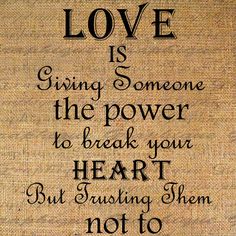
So are committed relationships inherently possessive? I don’t think so. I believe they are built on commitment and trust (which go hand in hand). But this commitment and trust NEEDS to be mutual. For you to truly commit to someone you have to believe you can trust them, and you must also believe they are committed to you.

Fear

Have you ever thought about fear? Fear is largely a learned emotion. There are instances where fear is believed to be innate and related to perception (there’s a classic study with babies and “visual cliffs” that you can read about here). But by and large fear is a defense mechanism that develops when we experience things that we come to recognize as threats.

As we learn that things are threats, these threats elicit the fear response, accompanied by physiological changes such as increased heart rate, breathing and potentially shortness of breath. Here’s a Wikipedia link to it if you want to learn more (it’s pretty fascinating stuff when you think about it).

So fear is a good thing. It’s a rational response to a perceived threat, and is one of nature’s built in ways of protecting us.

Anxiety

Fear is rational, however it can also become irrational. When this happens it moves into the realm of phobias and anxiety. Everyone has their own phobias (spiders creep me out). Anxiety is more subversive though, because it is like the fear of fear. It’s irrational, but seems very rational to the person experiencing it.

I have plans to write more on Anxiety in the future, but for now I’ll just steal a somewhat amusing description from a book I read on it (paraphrasing as I don’t have the book handy).

Imagine you are on an African safari, and you are sleeping in a tent on the savannah. You hear a noise and wake up and you suddenly worry that it may be a lion, and you may be eaten by a lion. That is fear.

Now imagine you are sitting at a bar in New York. You hope to one day go on an African safari, and suddenly you find yourself experiencing the physiological fear responses because you believe that if you go you may be eaten by a lion. That is anxiety.

Anxiety is more complex than that and I don’t mean to downplay the seriousness of it. But generally anxiety is an irrational response to perceived threat, situation or even future situation.

Perceived Threat

Alright, so you may be wondering what the heck all of this has to do with relationships, commitment and possessiveness.

If you are in a truly loving, committed relationship with another person, then you are in a position of mutual trust and respect. When your partner is out you don’t even think about it as you trust them implicitly.

Fear is learned though, so if you have been hurt or betrayed by someone close to you before then it is a natural defense mechanism for you to experience fear if you perceive a threat to the relationship through your partners actions or behaviors.

When people start to feel threatened in relationships it can cause them to either pull away, or start to hold on too tight. Jealousy is fear that you are losing the relationship to someone else, and it can turn into control and possessiveness as someone is trying to hold on and try to regain some control over the relationship they feel they are losing.

Rational and Irrational Fear

When it is based on tangible evidence, Jealousy can be a rational fear response. There are all sorts of warning signs when a relationship has taken a negative turn, and you can usually “feel” the shift. You know something has changed. Counselors will often tell you to trust your instincts on these things, and that if you feel something is wrong you are probably right.

But what if it’s really an irrational fear response? People who are insecure or who have been hurt in the past are more likely to experience this. They are more likely to be hyper vigilant for any sign of threat to the relationship, and run the risk of perceiving threat when it’s not actually there.

Love and Trust

Jealousy can be a normal reaction to things, and I believe even the most emotionally secure of us have felt it at one point in time or another. But whether it’s rational or not, jealousy is still very corrosive to a relationship.

Relationships aren’t based on possession and control They are based on commitment and trust, and jealousy involves a breakdown of these. This is one of the many reasons communication is so important in relationships.

We all will do things to hurt our partners from time to time (hopefully inadvertently). But it’s important that we don’t let things fester and grow. We all have our own insecurities, and being honest and upfront about those insecurities is important. Get issues out in the open. If your partner understands the ways you have been hurt in the past then they may be more conscious of things that could be seen as threats by you.

One of the dangers of being hurt is that it can cause us to build up walls to “protect ourselves” from being hurt again. But those very walls that we build up are also likely to be the things that push people away from us. To truly love, you need to let those walls come down. It’s not easy, but you need to allow yourself to be vulnerable to being hurt again.

And you may be. Life has no guarantees. You may be hurt again, and love may break down. But possessive behavior won’t help anything. The simple fact is, you can’t control someone else and you can’t make them love you. The only one you have control over is yourself. There’s a line from a U2 song that says:

You can hold onto something so tight, you’ve already lost it

Being possessive and trying to control won’t help anything; it will just push someone further away. Try to operate from trust instead of fear. If you believe someone is violating that trust then communicate. It may just have been your own insecurities and irrational fear. And if it was a legitimate breach of trust, it may be a situation you are better off getting out of.

When is it too late?

crossroads1

Relationships will always run into troubles. They are an unavoidable outcome of two different personalities working together. Traditional wedding vows even come with that warning built in. When your commitment is supposed to be “in good times and in bad”, the implication is that bad times will exist. We all know this intuitively. But sometimes the bad times can overshadow the good times, threatening the relationship.

Think of your relationship as a bank account. A while back I posted something about a marriage box, but a bank account works better because it can hold a negative balance. All the good moments in your relationship are deposits into the “Relationship Satisfaction” account, while the bad moments are withdrawals.

Good times act as a buffer against bad times, and ideally your account “balance” always stays positive. During hard times your account may run into a negative balance, and it’s normal for this to happen occasionally. But if the account is in the negative for extended periods then some sort of action is required.

Maybe the account owners can take a good look at how they got there and come up with a plan to get out of the hole together. Maybe they want to get out of the hole but are having a hard time doing it so they need to bring in outside help to come up with a plan. But sometimes the only recourse seems to be declaring bankruptcy.

When your relationship is in a critical spot you may find yourself wondering if it’s possible to save the relationship, or if it’s too late. If this happens, it’s time for some serious reflection.

Reflect

Before making any decisions it is a good idea to reflect on where you are and how you got there. The saying “those who don’t learn from the past are doomed to repeat it” is very true.

What are the problems? Can you identify the issues that are causing conflict for the two of you? Often the surface problems are really only symptoms of deeper issues, and it can be difficult to look at a situation impartially when you are emotionally invested in it.

If you are having difficulty identifying the issues then try to focus on the good. There has to be at least some good, or you wouldn’t be together. So what has been good? What have you learned? Is there anything that you would do differently if given the chance, and if so is it too late to do that?

One of the many challenges long term relationships face is that it is natural for people to drift apart over time. Caught early enough this can be an opportunity for a couple to throw out what hasn’t been working, and strengthen their bond for a better future. But sometimes it is caught too late and it marks the end of the relationship.

Things to think about

In addition to reflecting on the specifics of your relationship there are a few other things that are important to consider.

Statistically, first marriages are the most successful with divorce rates rising considerably for second and third marriages (I haven’t seen stats on non married long term relationships, but I suspect the numbers are similar).

I found this surprising. I expected people learning from their mistakes and wanting to “be better” next time to result in improved marital odds the second time around. So why is that not the case? The main reason is that a marriage is about more than just the two people in the relationship. They are the key players, but additional factors act as the glue holding a relationship together.

Children (if present) are the biggest one. But even in the absence of children there are things like families, joint friends and shared history. In leaving the relationship you are often leaving behind much more than just the other person, and that can be very difficult. Obviously the length of the relationship plays a big factor here, but in subsequent long term relationships this glue that holds people together is often weaker.

Another important point is, the reasons the first relationship failed often impact the success of future relationships. Frequently people who can’t make a first marriage succeed fail at future relationships because they are either looking for something that doesn’t exist, or they bring the same baggage that destroyed their first marriage into subsequent relationships.

Statistically speaking your first marriage is really your best shot, so it’s important to make it count.

Moving on

If you decide to move on, it’s important that you understand why you are moving on. What do you hope to change? What do you hope will be different next time?

One thing I would strongly recommend is that you leave the relationship on it’s own merits (or lacktherof), and not because you already have another relationship lined up, or because you have started another relationship already. Too often people it seems people stay in a situation where they weren’t happy only because there is nothing better available, and then they leave when something “better” comes along.

There are countless stories of people who leave a relationship for something new only to wake up six months to a year later and realize they made a mistake. If you have entered another relationship or have one waiting in the wings, you can’t fairly judge your current situation.

Don’t expect the next relationship to be “better”. It may be, but chances are you contributed to the demise of your current. So take a look at yourself and see what you can do better next time, and use this as an opportunity to grow as a person. If you bring the same baggage in, you will often end up with a similar result.

When a relationship ends there are hurt feelings, and often a period of grieving is needed. It’s natural to need to vent and want to lash out, but try not to cast your ex in a negative light. Treat the relationship as a chapter in your life. You once cared deeply about each other, so try not to let the hurt override the fact that you did have good times.

And remember that giving up doesn’t mean you are weak. Sometimes it means that you are strong enough to let go.

Rebuilding

In order to rebuild, both people have to truly want it. If two people still love each other then it’s never really too late to rebuild a relationship. Anything can be worked out. But rebuilding is often the hardest path.

If you need to rebuild, then there have obviously been issues that have put your relationship in jeopardy. But in order to move forward together, you have to let it go. This doesn’t mean you forget about something and pretend it never happened. You must address it, forgive, and be willing to start fresh.

I can’t recall where I found this passage, but it says it beautifully:

Forgiveness is the only way to heal your emotional wounds. Forgive those who hurt you no matter what they’ve done because you don’t want to hurt yourself every time you remember what they did. When you can touch a wound and it doesn’t hurt, then you know you have truly forgiven.

In rebuilding, you will need to redefine your relationship and the future will be different from the past. It has to be. Years of established patterns can be hard to break, so it is likely best to find a skilled counsellor to help you find a new path forward together.

Rebuilding is very difficult. But it can also be very rewarding to know that you were able to persevere and stick together when times were the hardest.

Making a decision

So when is it too late to save a relationship? There’s really no magic formula, and no right or wrong answer to that question.

The one thing I will say though is that if your relationship is at a crisis point, the worst thing you can do is nothing. If you recognize there is a serious problem you can’t just ignore it and hope that it will pass. Problems don’t solve themselves, and they don’t go away on their own. You need to either roll up your sleeves and go to work as a couple, or accept that the relationship has ended and move on with the process of healing.

Whatever decision you make, the fun part is that you will never know if it was the right one. But you can’t let yourself dwell on that. Don’t ask yourself if there was anything more that you could have done, because there always will be. Instead ask yourself if you have done enough.

Life will work out

Life is a journey, and most of us hope we can find that special someone to share our journey with. But your journey is exactly that, yours. It’s a personal journey, and there is no single correct path.

We can’t know the future, and there are no guarantees in life. You will never know if the decision you made was the “right” one or not. The only thing you can ever say is that it was the right one for you at the time that you made it.

In the words of James Mercer (of the Broken Bells):


But I’ve been turned around
I was upside down
I thought love would always find a way
But I know better now
Got it figured out
It’s a perfect world all the same

It IS a perfect world.  It’s complicated, and broken, and perfect all at once.  Life doesn’t always work out the way you expected it to, but that’s alright, because it WILL work out. You only have one life, so make the best of it.

Communication Breakdown

communicate1

Communication is universally regarded as one of the most important aspects of any relationship, and it is also seen as one of the best indicators of long term success.

If you look up quotes on communication in relationships it’s amazing how many you’ll find. Here is one of my favorites:

Communication is the fuel that keeps the fire of your relationship burning, without it your relationship goes cold – William Paisley

Inherently we all know how important communication is. Yet I commonly hear people talk about how they aren’t able to communicate with their spouse. Well actually that’s not true. We’re always communicating even when no words are spoken. It’s just that we often do it poorly. So the question becomes why do so many of us communicate so poorly? To understand that, we have to understand a bit more about what communication is.

The Merriam-Webster dictionary provides the following definition for communication:

the act or process of using words, sounds, signs, or behaviors to express or exchange information or to express your ideas, thoughts, feelings, etc., to someone else

When people think communication, verbal is often the first thing that comes to mind. As the definition indicates though, communication is any form of expression. It can also be written communication, body language, and touch.

In a relationship I think body language and touch are the most important forms of communication. Sometimes you can say more with a smile, a hug, or a squeeze of the hand than any words can convey. And as I discussed in my post on sex, intimacy (which doesn’t just mean sex) is a special form of communication specific to relationships. It’s the thing that separates that special someone in your life from just another friend.

The Perfect World

What does communication look like in a perfect world? I think this sums it up quite nicely:

LoveandTrust

You can tell the other person anything without fear of ridicule or embarrassment. You can talk about anything, good things and bad. You can deal with conflict points together without either of you getting defensive or critical, because you know that you are doing it for the betterment of the relationship. Communication used this way lets you promote understanding of each other, and help strengthen your connection.

For this to happen you need to be in a situation where you have allowed all your walls to come down, and you have let the other person in completely (or at least as much as possible); and they have done the same with you.

And Now for a Dose of Reality

Of course in a perfect world I could eat chocolate all day while having the body of an Olympic gymnast. I would speak 10 languages and spend my days travelling the world with my family; going from villa to villa on our private jet. And perhaps I would spend my weekends roaming the countryside on my pet unicorn while figuring out the cure to cancer and how to create world peace. But sadly, perfection doesn’t exist.

You see, people have feelings and emotions, and sometimes the things that need to be said aren’t easy to hear. Not just that, but how you say something is just as important as what you say.

There’s an oft cited study that found the actual words used in verbal communication only make 7% of the message. The remaining 93% of the message comes from the tone of voice and body language used when conveying the message. Recent studies have found that the spoken words are closer to 30%, but even with the new numbers it’s clear that tone and body language are still really important.

When it comes to relationships, the point is that you have to be careful how you communicate. If you have a sensitive issue you want to discuss, it’s best to try to figure out what you want to say and try to do it rationally. When emotions are running high it’s very easy for the actual meaning to get lost in the emotion. When someone is in attack mode, it’s just human nature for people to withdraw, or get defensive.

In his book “Seven Principles for Making Marriage Work”, Dr. John Gottman says that conflict is normal, and couples will fight. One of his findings is that there is no correlation between how frequently a couple fights and their level of marital success. What does have a strong link to marital success is HOW they fight. He calls criticism (where you attack their character), contempt, defensiveness and stonewalling “the four horsemen of the apocalypse” for relationships. It’s important to try and find a way to communicate while keeping those to a minimum.

Barriers to communication

Beyond worrying about how you communicate, you also have to be conscious about various things that act as barriers to communication.

One of the biggest barriers is that we all interpret things through the filters of our own expectations and experiences. I’ve talked about this a bit in a prior post.

There are also theories that women and men simply communicate differently. One of the most common differences is the way men and women approach issues. Supposedly men interrupt more, have a harder time expressing gratitude and apologizing. Men also try to “solve” things while women often just want to be heard. This last one is wonderfully illustrated in the short film It’s not about the nail (If you haven’t seen the video, check it out. Seriously, it’s priceless). I’m not sure I buy into most of the gender differences, but I can definitely relate to that one.

I think it’s fair to say that communication is one of, if not THE most important aspects of a relationship. But there are many things that can make communication difficult. Because of this, perhaps the most important thing that you can do as a couple is work on your communication strategies on a daily basis, always striving to improve them.

Different people have different ways to communicate. Learn to understand your own preferred method of communication, and learn your partners. Come up with a way of communicating with each other that works for both of you, and spend the rest of your lives making this a priority. Communication is the lifeblood of your relationship, and without it your relationship will be at risk.

Communication breakdown

In the early days of relationship, communication seems to come easy. In those early days, although you may be talking, you are really in the stage that you are still learning about each other. Eventually there will come a point in time when you know the other person well enough that there is nothing new to tell.

Let’s face it, most of life is routine. For many years you wake up and get ready for work. In most cases your job is largely the same day to day, so the stories of “what did you do today dear?” really don’t change much.

If you add children to the relationship, by the time your work day is done and the children are in bed one or both or you are often exhausted. Many couples find that a number of years go by where they have had very little time to be a couple, and that can take a toll.

I was talking to a friend a few months back who has two primary school aged children. Often their couple time was limited to a few hours here and there when the kids were at a party or something, and they would use that time to run errands or catch up on things on their to do list. One day he decided that instead of that, they would go on a date. No errands, and no talking about the kids. They went out for dinner, and he found they didn’t really know what to do, or how to talk to each other. Their lives had been built around being parents for so long that they had lost sight of how to be a couple.

I think this is a common problem, and it’s a transition many parents go through when their kids get old enough that they are no longer completely dependent on them. For many couples this is a very difficult transition. Even without kids, it is something that most couples will face eventually. There simply comes a point in time where you know each other so well there isn’t a lot to say.

Because of this, it’s important that you never get so caught up in the routines of day to day life that you stop being a couple. Make each other a priority in your lives, and never stop talking. It’s important that each of you has your own interests to give your relationship space to grow, but you should also try to find an activity that you can do together (preferably one that gets you out of the house), and ensure you make that a priority.

Over time, routine will always set in. But set goals together and ensure you are working towards those goals. Never stop talking to each other, and letting each other into your hearts and souls. Sometimes silence is beautiful and peaceful. Like those times when you are side by side, and no words are needed. When you can say more with a simple look, or a squeeze of the hand then words could ever convey. Other times, silence can be deafening and be the most painful feeling there is.

In the words of Robert Smith of The Cure:

Side by side in silence
They pass away the day
So comfortable, so habitual…
And so nothing left to say

And side by side in silence
Without a single word…

It’s the loudest sound
It’s the loudest sound…

It’s the loudest sound I ever heard

Just Along for the Ride

Decision-Making-Strategies

A buddy of mine recently sent me a pretty interesting article on relationships.

The article talks about a study of couples that was done where they looked for a correlation between marital satisfaction and how couples handled relationship “milestones”. Here’s an explanation of what it means by milestones:

Every relationship goes through milestones, or transitions, that mark how serious the relationship is getting. Going on a first date is one; a first kiss is another. Other milestones might include the “define the relationship” talk—the moment a couple says they are actually a couple—sex, engagement, marriage, and children.

What they found was that there are couples who, as they put it, “slide through these milestones”; and there are couples who made conscious decisions on these milestones. Not surprisingly, the couples who made conscious decisions on the milestones reported a higher degree of marital satisfaction then the couples where things just kind of happened.

Happiness and Choice

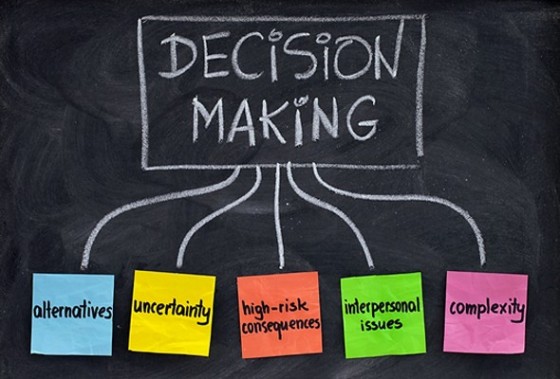
If you’ve read any of my previous entries hopefully it’s clear that I believe life is all about choice. Life is a journey where we are faced with choices every step of the way. Some are small (what should I have for dinner tonight?), and others are a bit more significant (do I want to marry this person?). Some choices are easy, while others are very difficult to make. Each choice we make closes certain doors and opens other ones.

I believe one of the keys to happiness is being active in decision making. Sometimes you make good decisions, and other times you wish life had a rewind button. But as long as you have consciously made the decision, you own it, and it’s up to you to make the best of it. Because at the end of the day, the only person that you have control over is yourself.

One of the things I really like about the article is it suggest that when we actually put some thought behind “why” we do things, we are able to get more enjoyment out of things.

Think of marriage. Generally marriage is something that people do by choice. But what are the reasons behind the decision? Did you get married because you were pregnant, and felt you had to? Did you get married because you felt it was time to “settle down”? Or did you get married because you looked at your partner and you knew that you wanted to build your life around theirs?

All of those reasons result in marriage, but I think there is a big difference between wanting to be with someone, feeling that you probably should be with the person, or just not wanting to be alone. It stands to reason that doing something because you “want” it will result in more satisfaction then doing something because…

…well, just because.

Choosing Milestones

Something I’ve talked about before is that I don’t believe romantic love is really love. Romantic love as portrayed in poems and movies is a wonderful thing, but it’s really just the first stage of love and it’s largely a biochemical response. Real, mature love can only blossom after that infatuation stage has passed.

At that point love becomes a choice. Do you accept the other person as they are, flaws and all? Because they *will* have flaws, but you’ll be largely blind to them during the infatuation stage. Do you look at the positives, and value them for who they are, instead of who they aren’t?

Looking at the milestones listed earlier, only things like the first kiss and the first time you have sex seem like things that you shouldn’t plan. Somehow that seems a little bit too calculated. I can just picture it:

“So, we haven’t kissed yet. Do you think we should? Yes? Well upon contemplation I’m inclined to agree. What are your thoughts on tongue? No? Fair enough. Alright, let’s count to three and then do this.”

That’s probably not the way you want your first kiss to go, never mind the first time you have sex (at least not unless you are someone like Sheldon from “The Big Bang Theory”. In that case I could see the conversation).

But even for things like your first kiss and sex, you both should feel that you are at a place in your relationship where you are emotionally ready for it. You may not discuss it with each other, but you should at least have had the discussion with yourself. Those aren’t things you should be doing just because you feel you have to.

Placing Importance on the Relationship

One of the indicators of success in a relationship is the importance people place on the relationship itself. Especially when it comes to marriage, studies have shown that people who value the concept of marriage have both higher satisfaction and success in their marriages.

The article talks about the same sort of idea:

Deciding rather than sliding revolves around commitment. Not just to each other, but to the decision itself. Making a decision, research shows, sets individuals up for better follow-through.

I think this is all about buy-in. When you make a conscious decision to do something, you have a greater emotional investment in it. You have greater incentive in seeing it succeed.

Ultimately love is a choice, and commitment is a choice. In any long term relationship, there will be times when it is tested. When you are having a hard time liking each other, it’s hard to see why you should be committed to each other. But if you see the relationship as something larger than just the two of you, having commitment to your Commitment (capital “C”) can help you get through the tough times.

Sorry about the Affair, it “Just Happened”

cheating2

Affairs. Cheating. Adultery. Infidelity. It doesn’t matter what you call it, it happens with an alarming frequency. If you look up statistics the numbers you find will be all over the map. But based on the numbers I’ve read, 20-25% of women, and 30-40% of men will have an affair during a marriage or other committed relationship. Even plus or minus 10%, those are staggering numbers.

Of all the issues a couple can run into, nothing is as damaging as an affair. Often they signal the point of no return for the couple. Relationships are built on trust and mutual caring and respect; and affairs tear those foundations down. Even when relationships are able to rebuild and recover after an affair, the landscape of the relationship has fundamentally shifted. As the saying goes, you can forgive, but you never forget.

Types of Affairs

In a prior post, I talked about types of sex. There’s sex as the physical act and intimate sex, where it goes beyond the physical act and is also an emotional connection. Similarly I see two types of affairs. For lack of a better term I’ll just call them “sex affairs” and “love affairs” (if anyone has better names let me know).

Sex affairs are purely about sex. This may be one night stands, or it could be a recurring sexual relationship where there are no expectations beyond the physical side of things.

Love affairs go beyond the physical. There is actual connection between the two people and they want to see each other for more than just sexual gratification.

Sex releases oxytocin, which helps facilitate feelings of trust and attachment and build connection. So sex affairs can develop into love affairs, because the sex can lead people to believe they have fallen in love with someone just based off of the sexual connection.

Although there are differences between the types of affair, there are also similarities. In both cases, the person engaging in the affair knows they are doing something “wrong”, but they figure it is alright as long as they don’t get caught. Some people get away with it for years. Sometimes their partners find out but turn a blind eye to it. Other times their partners find out and they confront the person. When forced to confront the affair, either to themselves or to their partner (when they are caught) the offender often has all sorts of reasons and excuses as to why they did it.

Rationalizations

From various relationship books, articles, blogs, and the comment sections on blogs I’ve seen many different rationalizations given for why people have affairs. I don’t believe I have ever been the “victim” of an affair, but I feel strongly about commitment and that causes me to have pretty strong feelings on affairs (you’ve been forewarned). Here are some of the common rationalizations I have seen, and my thoughts on them …

It just happened
Really? Things like that don’t “just happen”.

Imagine you are out for a walk. While walking you trip, and another person sees you falling and tries to catch you. Now let’s also imagine that while you are falling there is some strange wind vortex that causes both of your clothes to come off and at the same time makes it so instead of the person catching you with his/her hands they catch you with their genitals. Oh yeah, they also happen to catch you on your genitals, causing to two of you to get tangle up by the genital area. Then, in the process of trying to untangle yourselves the wind pushes you back together repeatedly until one or both of you orgasm. Under those circumstances I suppose yes, it could have “just happened”.

But there are a fair number of events that have to happen in a certain sequence in order for this to take place. Is it possible? Anything is *possible*, so I guess so. Is it probable? Maybe I’m crazy here, but I’ve got to say no. So no, I don’t think “it just happened” is really a viable rationalization.

It didn’t mean anything
This one is a bit better, as the person is partially taking ownership of the issue. They are acknowledging they made the decision to cheat. But they are saying it’s alright, because it didn’t mean anything. “Oh yeah, I did have sex with another person. But don’t worry, because I didn’t actually care about them. It’s really you that I care about”.

It didn’t mean anything? Umm, yeah, actually it did. The affair may not have meant anything with regards to their feelings for the other person. But it meant a lot in terms of showing how they value their partner. It meant they put their own personal desires above the commitment of the relationship. It meant commitment is something they feel they can turn on or off as it suits them.

Affairs are Romantic
Of all the rationalizations I’ve seen this one is my personal favorite. When I’m picturing a romantic setting I tend to visualize things like a candle lit dinner to the backdrop of soft music. Or holding hands and walking down the beach during sunset. Or even just curling up with my partner and simply enjoying their presence.

Maybe my thinking just isn’t as progressive as it could be, but for some reason the prospect of having sex with someone other than the person I am currently in a committed relationship with doesn’t qualify as romantic (even if it is done by candlelight, on a beach at sunset).

I suspect the person just had a poor choice of words, and what they really meant was affairs are exciting. That I can kind of understand.

As a kid I remember sneaking a peek at my Christmas presents. My brother showed me a technique where I would cut the tape on one side of the present, open it to see what it is, and then just cover it over with another piece of tape. I was often able to find out what I was getting in advance, and it was difficult to detect. Sure, it took the fun out of Christmas; but at least I could plan out which presents I would play with first! Around the same age I discovered swearing, and I would frequently swear with my buddies. I would even occasionally sneak (alright, steal) a dollar from my mom’s purse to go buy candy. There was a degree of excitement in doing something I knew was wrong. Of course I was about eight or ten at the time, and eventually I grew out of these things.

I’ll admit these aren’t exactly the same as having an affair. But there IS a bit of an adrenaline rush and excitement in doing something you know you shouldn’t be doing. If you get your kicks from the danger of being caught doing something wrong, then I can see how there would be an allure to affairs. But that doesn’t make them romantic.

We can’t control who we fall in love with
While it’s definitely possible to love two different people at the same time, it doesn’t happen overnight. It requires intimate sharing of emotions and feelings to build the connection that leads you to fall in love with someone. And that is the part you DO have control over.

If you are committed to someone else, you owe it to them to not take actions that will jeopardize your relationship. Don’t put yourself in situations where this is a risk. If you’re ever doing something and you know you wouldn’t be comfortable telling your partner about, then you know you probably shouldn’t be doing it. If it’s something like buying yourself a new outfit, then maybe those little lies by omissions aren’t that harmful. But when it involves interactions with another person? Sorry, people know when they are crossing certain lines. They just choose to do it anyways.

Let’s say it does happen and you find yourself having fallen in love with another person? Well then you have a choice to make. Have enough respect for your partner to end one relationship before moving forward with the other one.

I wasn’t happy
This is at once obvious and troubling. There’s a saying “happy people don’t cheat”. If you are happy in your relationship why would you?

One of the first questions I would have for someone in this case is “Why aren’t you happy?” All sorts of things can cause unhappiness, and it may have nothing to do with the existing relationship.

If you aren’t happy in your relationship, you are more likely to be taking actions that put you at risk of falling in love with someone else. But like I said above, if you find yourself in love with someone else pick a relationship and move on.

The Real Reasons

Alright, we’ve had a few common rationalizations. Now let’s get down to the actual reasons that people have affairs (well, according to me).

A big part of affairs is emotional immaturity. This isn’t overly surprising when someone is young (say early twenties), but it becomes a bit alarming when it persists as someone gets older. I’ve seen exchanges where a guy points out a girl and tells another guy that he’s “banged her”. To which the other guy says something like “nice”, and they fist bump. The girl in those cases is simply a conquest, another notch on the bedpost. There is no interest in a relationship; this is just hedonism.

Commonly people who have affairs have self image issues. They need the validation of another person wanting them sexually to make them feel good about themselves or give them an ego boost.

Another reason for affairs is selfishness. Someone wants the positives of a committed relationship or marriage, but they don’t want the restrictions that come along with it. They feel they should be able to have the best of both worlds. Their focus is “them”, and their pleasure. They don’t respect their partner. They may claim that they do, but if they did would they really be having an affair? Hell, I doubt they even respect themselves. Commitment involves trust, and by having an affair they are showing that they aren’t deserving of that trust.

If an affair is a love affair and not just about sex, it can be more problematic. Love affairs are often symptoms of deeper underlying issues. They may be issues with the existing relationship, or personal issues. Either way, the affair becomes a way of trying to fill a void that they are feeling. Just as some people turn to drugs or alcohol to “deal” with issues, others turn to sex.

People should work on their relationship first instead of trying to fill a void by stepping outside of it. Try to understand what’s wrong with your existing relationship. View any problems as opportunities to improve what you have, and work on it. Long term relationships aren’t always easy, and commitment shouldn’t only apply when times are good.

There are many cases where people have tried to repair their existing relationship and it hasn’t worked. When this happens, it should be decision time.

Don’t stay to “keep the family together”. That’s really just another excuse to try to have it both ways. A way to have the kids and the safety and comfort of home while doing whatever you want. If you’re having an affair chances are you have checked out emotionally on your partner. That not a good environment for the kids anyhow.

And don’t stay just for the financial stability of that comes with the existing relationship. Actions have consequences. If the current relationship was bad enough that you decided to stray, then be willing to accept the consequences. It won’t be easy, but it shouldn’t be.

Putting in your Notice

Have you ever changed jobs? With jobs, most people line up a new job before they put in their notice to quit their existing one. That’s fine, because jobs are a form of a contract where what you do outside of work time is your own business.

If you aren’t happy with your current job you can start looking for a new one, and if an opportunity comes up you take it. You put in your notice and for two weeks or so you show up to your current (now old) job, while counting down the days until the new one begins. If you don’t get the job it’s no big deal because you still have your existing one to fall back on.

Many people do the same thing with relationships. Often a relationship ends and it’s amazing how quickly one of the parties finds themselves in a new one. I suspect the “new” one was often in the works or already started before the old one ended.

Unlike jobs, the commitment of a relationship doesn’t have set hours. And it doesn’t only apply when your partner is around. If you are in a committed relationship with someone, no matter what state it is in now, at one point in time you cared about that person. If the relationship has broken down to the point that you believe it is beyond repair, or if you believe you have fallen in love with someone else, you owe it to the love you once shared to end the relationship before starting one with someone else.

Let’s Talk about Sex (part 2)

couple-bed-9

My last entry talked about sex and the benefits it has for relationships. A common problem couples run into is differing sex drives, which fluctuate over time. Your sex life is often a barometer of the overall health of your relationship. Sex is supposed to help build and maintain the bond between a couple, but it can also become an “issue” and a source of conflict in a relationship. In this entry I want to focus on when sex does become a source of conflict, and what you can do.

Types of Sex

First I want to look at two different types of sex. And no, I’m not talking about positions or anything like that. What I’m referring to is sex as just the physical act (or physical release) vs. sex as a form of communication and connection. Sometimes I’ve seen this distinction referred to as sex vs. making love. The act may be largely the same, but there is a difference emotionally and in terms of connection.

Last spring I was at the Zoo watching the monkeys (ah monkeys, they never cease to make me smile). Anyhow, a female monkey was walking along casually when another ran up and… um… shall we say “took her” from behind. Yeah it’s nature, but it was still a bit disconcerting to have it happen right in front of you. What I saw definitely wouldn’t have qualified as making love, or intimate sex. I have my doubts there was any connection there (especially when the female had no idea what was going on until it happened).

Something like a one night stand is really only the physical act. It’s not quite the same as the monkeys, but although it may feel passionate the only connection happening there is aided by hormones (and likely alcohol). Truly making love requires trust and openness, which can only really develop in a fairly committed relationship over time.

In a committed relationship there is place for both types of sex. Sex for physical release is fine, and can be great as a stress reliever. But it needs to be balanced with the more intimate form of sex or sex can become a source of resentment in a relationship.

What is the Real Problem?

Back to sexual issues in a relationship, one of the most important things to keep in mind is:

Sexual issues are rarely about sex

Sex is a form of communication. It’s a physical manifestation of the love, caring and compassion that you share for one another. If there are any underlying issues in your relationship, there’s a pretty good chance that there’s a bit of a breakdown in caring and compassion. When this happens the openness required for meaningful sex is likely missing (or at least somewhat hampered). You may or may not still be having sex, but without the emotional connection sex becomes purely the physical act.

If there is tension in the relationship, chances are you already know it. If that’s the case you probably shouldn’t be shocked if the sexual side of the relationship has broken down somewhat. Maybe, just maybe you would be better of focusing on the actual issues instead of the sexual ones. Even showing that you recognize that there are issues and you are interested in working on them can go a long way to restoring the closeness required for sex.

Lets imagine for a moment that your relationships IS in a good state. Maybe there are a few disagreements here and there, but there’s no real underlying tension. If this is the case, but you are still unhappy sexually then there are a few things to think about…

Intimacy vs. Sex

The first thing to do is ask yourself what sex really means to you. This is a personal question, and the answers will be different for everyone.

For instance, guys and girls seem to have some pretty different thoughts around sex. Here’s an awesome video illustrating some of these differences. Yeah, it’s an exaggeration (but it’s still pretty damn funny).

Where many people (mostly guys) get themselves in trouble is that they equate intimacy with sex. I’ve actually talked to buddies who use the words interchangeably, and I can tell from the context of the conversation that they REALLY don’t get that there’s a difference.

It’s possible to have sex with no intimacy at all, at which point it’s been reduced to the physical act. Sex the physical act is a biological urge. It’s a characteristic we share with any other animal (like the monkey from the zoo) It’s still pleasurable because of all the nerve endings and stuff, but it is not the same as sex in the context of intimacy.

So what is intimacy? I’m sure everyone has their own thought on it, but here’s my take:

Intimacy is about connection. It’s emotional, physical, and even spiritual. Sex is a form of intimacy, but it’s not intimacy. Intimacy is the little things – the touches, the smiles, and the shared looks. Intimacy is feeling loved, feeling valued, and giving that in return. Intimacy is opening up to each other, sharing hopes and dreams, and allowing yourself to be vulnerable with another person. Intimacy is about openness.

Sex in the context of intimacy is the deepest form of sharing a couple can have. You are literally giving yourself to your partner, and symbolically the two of you have joined as one. It needs to be as much about what you give as it is about what you receive.

Can you have intimacy without sex? Of course. I believe that most of your intimate contact is non-sexual. Hugging, holding hands, non-sexual touch. These little signs of affection are forms of communication and intimacy.

If your only intimate contact with your spouse results in sex, then you’ve probably got a problem. Can you have an intimate relationship without EVER having sex? Technically yes, but I would say no. Sex is a form of expression and it is an important part of an intimate relationship. It is a physical manifestation of love, caring and compassion. There may be medical reasons why it’s difficult. But short of that if you are in a long term relationship without intimate sex that’s probably a sign of underlying issues.

Sex in the Media

Another reason you may be unhappy sexually is unrealistic expectations.

Guys are the ones who supposedly have these crazy out of control sex drives, but look at the way sex is portrayed for women!!! Look at the cover of pretty much any “womens” magazine in the grocery aisle. Headlines like “20 positions to drive him wild”, “men’s sex secrets – can you handle the truth” and “sexier sex tonight” are all over the covers. Sexier sex tonight? Really? Who writes this stuff? And yes, those titles came from real magazine covers.

Look at many of the prime-time TV dramas, and most of them involve people falling in love (or lust) and having sex. If you watch a few seasons of many of these shows they are a case of musical beds. Pretty much everyone sleeps with everyone else at one point in time or another. Then there’s the whole romance novel genre that is geared towards female readers, where there is lust, intrigue and everyone always orgasms at the exact same time.

I understand that the entertainment industry is a form of escapism, but just as all the billboards of Victoria Secret type models aren’t positive for a woman’s sense of body image, the way sex is portrayed in the media will make most people feel they don’t measure up.

What is Normal?

A big question many people ask themselves is, what is normal? Am I normal? How does my sex life compare to everyone else’s? If you try comparing yourself to what you see in media (TV, movies, books, etc) you’re in for disappointment. I talked a bit about this in a prior post, but most people seem to believe that everyone else has a better situation than their own, so we feel like we are somehow lacking by comparison.

You can’t even trust the “experts”. If you do a web search, you will likely find sex therapists saying that most couples have sex once or twice a week. Some people probably look at that and think “oh man, twice a week? I would be happy with twice a month!!!” Others may think “twice a week? Yeah, maybe if we only see each other one day that week.”

Honestly there is no normal. How new is your relationship? How old are you? Do you have kids? If so, how old are the kids? What’s your job situation? How is your general health? There are countless factors that can influence your sex life. Trying to compare your sex life to someone else’s or trying to figure out if you are “normal” is an exercise in futility. All you are likely to do is make yourself even more self conscious and frustrated.

What’s really important is how happy are you with it. How happy is your spouse with it? Is it a source of conflict in your relationship? If it’s not a source of conflict, then it’s probably normal for you. If it is, how do you deal with it?

Communicate

If your sex life is a source of conflict, the best thing you can do is talk about it and get it out in the open. The taboo nature of sex makes it difficult to talk about it, and we need to get past that. If you are in a committed relationship with someone then this is one of many conversations you should be having.

If you’ve never talked about sex beyond “want to have it now?”, maybe it’s a good time to do so. Coming to a common understanding sexually is something that can only enhance your relationship. Try to be understanding of each other and don’t be critical or defensive.

Maybe your issue is just boredom with the same routines all the time. There’s a good chance each of you have fantasies, so share them. If you can’t share them with the person you are (hopefully) imagining acting them out with, who can you share them with? Everyone has boundaries on what they are comfortable with, but as long as something doesn’t cross those boundaries be willing to try anything at least once.

If nothing else, make time for your sexuality. If it is something you have let fall by the wayside, make it a priority again.

Nowhere else to turn

For the person with the lower sex drive, keep in mind that this is the one facet of a relationship your partner can’t share with anyone else.

If you aren’t interested in a movie your partner wants to see, no problem, you can go with a friend. But when it comes to sex? You can’t really call up a buddy and say “hey, my husband/wife doesn’t want to have sex with me tonight, so are you up for it?” Well I guess you could, but it probably wouldn’t be received very well. And it could make for some serious awkwardness if it is. Realistically, options are limited to the right hand, the left hand, or some form of battery powered device. In the long term none of those are overly appealing choices.

I’m a firm believer in marriage and in commitment. But long “dry spells” can put serious strain on a relationship. I don’t ever condone cheating, but sex is a basic need for most people and without it people can start to get restless. I don’t believe it’s possible to have a strong relationship unless there is at least some satisfaction for both sides sexually.

For the person with the higher sex drive, the worst thing you can do is make the other person feel guilty. If you guilt the other person into sex, this WILL backfire on you. The other person won’t be engaged, and you are laying the groundwork for resentment. Sex is supposed to build connection, not break it down.

Sex can be a great stress reliever, but it requires a feeling of connection up front. It can be difficult to feel “up to it” when someone is highly stressed. Ask yourself what you can do to reduce stress for your partner (and this shouldn’t just be done with sex as a hoped for outcome). Help out wherever you can.

Keep in mind that sex is only one form of intimacy. It’s important, but you should be able to enjoy all forms of intimacy in the relationship. Intimate contact doesn’t always have to result in sex, and if you are pushing for that you are probably building resentment about sex.

Finding a Balance

People have different sex drives, and they vary over time. In a long term relationship there will be times that are better than others.

Whether you are happy with your sex life or it has become a source of conflict in your relationship, it’s something you should talk about. Discuss your hopes and expectations. And be prepared to adjust them somewhat if there is a gap.

It’s not fair for the person with the higher sex drive to expect their partner to reciprocate whenever they want. But it’s also not fair for the person with the lower drive to expect sex to only happen when they want it.

Sex is supposed to enhance your relationship and both build and maintain connection. Try to be understanding of each other, as a satisfied sex life will make the relationship better for both partners.

Let’s Talk about Sex (part 1)

Couple_in_bed

Sex is often THE big elephant in the room when it comes to long term relationships. It’s something that is in reality a very small part of a relationship (at least in terms of time spent), but it’s importance to the relationship bond cannot be overstated. Sex is easy in the early stage of a relationship when everything is new and exciting. As the years go by though, even in strong relationships the frequency usually decreases noticeably. Add any sort of issues or tension to the relationship and sex is often the first thing to go.

Here’s an interesting quote from Dr. Phil:

If you have a good sexual relationship, it registers about ten percent on the “important scale”. If you do not have a good sexual relationship, that registers about ninety percent on the “important scale”.

What constitutes a “good sexual relationship” is definitely a matter of debate, but if nothing else it’s safe to say that the idea behind that statement is correct. If you are feeling satisfied sexually then sex really isn’t an issue for you. But if you aren’t? Well, sexual issues can take on a life of their own.

A barometer of heath

Why do we enter into relationships in the first place? The stereotype on guys is that all they are really looking for is sex, and I’ll be the first to argue that relationships are about so much more than that. They are about emotional fulfillment, a desire to both give and receive love, acceptance and a sense of belonging. They are also about commitment, and building towards the future.

But at the same time yeah, relationships are about sexual fulfillment (which is actually different from sex, but I’ll get to that later). Although it’s only a part of a relationship I think everyone has an unspoken expectation that when they commit to a lifetime together, sex will be part of the deal.

Lets face it, physical attraction is part of what draws us together in the first place. When we first meet a potential “someone” and we are trying to determine if there is an emotional connection and if it will go anywhere, there is at least a part of us that is imaging and anticipating the physical one. This *could* just be a guy thing, but I don’t think so.

The quality of a couples sex life is actually a barometer for the overall health of the relationship. If you are happy with the quality of your sex life there’s a pretty good chance that you are also happy with your overall relationship.

Purpose of Sex

Sexual attraction is part of what draws us together, but what is the purpose of sex? Yes it’s needed for procreation, but that’s not the only purpose it serves. Why do we want it?

The easy answer is that it feels good (or at least it should). In a loving, committed relationship it also provides additional value, both to your own personal health and the health of your relationship.

For your relationship sex is important for both building and maintaining connection. This is actually hormonal, as sex causes the release of oxytocin (sometimes known as the “love hormone”). You know that relaxed sense of contentment after sex? That’s largely due to oxytocin. It can help with feelings of contentment and calmness while decreasing anxiety and protecting against stress. It’s also been found to help facilitate feelings of trust and attachment between people (Incidentally, all gestures of affection help with this too).

Beyond helping maintain connection, many researchers have found links between sex and other areas of health. Here are a few of the links that have been found:

  • Lower blood pressure
  • Mental health. Sex can reduce stress and help fight depression and anxiety
  • Self esteem. Supposedly it boosts self esteem and confidence
  • Pain relief. Headaches are a common clichéd excuse to avoid sex, but the hormones released can relieve pain
  • Bladder control. This one is more for women than men, but sex involves the muscles used in kegels
  • Sounder sleep. The same endorphins that reduce stress can help give you a better sleep

Some of these health claims seem a bit dubious to me. They make me wonder if it’s actually the sex that contributes to making people healthy, or if it’s just that people who are healthier tend to have more sex.

But hey, it feels good and it’s good for building and maintaining connection in your relationship – that much is fact! So if it happens to contribute to health at the same time, great. All the more reason to try and be a bit more active in the bedroom (or living room, or kitchen. Heck, even the pantry – whatever works for you), right?

Well, in spite of all the positives that sex brings to a relationship it can also be a great source of conflict.

Different Drives

One of the first potential problems is that everyone’s drive is different. Men *usually* have a higher drive than women, and most of this entry is written from that perspective. I recognize that’s not always the case though, so feel free to flip the narrative if applicable.

In a perfect world a couple’s sex drive is in sync, but perfection doesn’t exist. Even if you did find someone where your drive is very close, the next problem becomes that drive is not a constant. It’s going to fluctuate over time, and the odds of it fluctuating in the same way for a couple is pretty much non-existent.

So differences in drive are normal and to be expected. But beyond the normal fluctuations between people, there are additional things that can exacerbate this difference.

Things that “get in the way”

There are many factors that can impact sex-drive, and many of these factors seem to impact women more than they impact men.

Stress, anxiety and depression are things that can negatively impact drive, and stats show that women are 3 times as likely to be diagnosed as having issues with anxiety and depression.

Body image is also a big thing that can impact drive in both women and men. It’s hard to have sex with all your clothes on (plus it’s really not all that satisfying). If you aren’t at least somewhat happy with your own body it can be pretty difficult to be naked with someone.

Media images of Victoria Secret type bodies on actresses and models give women a very unrealistic standard to compare themselves to, and this contributes to body image issues. But to all the ladies out there, when you are obsessing over the need to lose an extra 5 or 10 lbs your guy is often pretty confused as to where it is supposed to come from or they simply don’t see why you need to lose it. I’m pretty sure your guy thinks you look great the way you are.

Guys have often been thought of as being less affected by body image issues, but studies have shown that this is increasingly becoming an issue for men as well.

Related to body image issues is child birth, which can affect women both in terms of both hormone levels and body image. The transition from woman to “mother” can often make it difficult for women to feel sexy again.

Sex drive is related to hormones, so even something like a womans monthly menstrual cycle affect drive, as it can send hormone levels all over the map.

Basically, it doesn’t matter what your drive is like. Because it’s not a constant and there are all sorts of factors that can impact it.

Causing additional stress on the relationship

If you’ve been in a relationship for any length of time, I’m sure you’ve had days where one of you has “wanted it” and the other one hasn’t. That’s normal. When it becomes a consistent pattern though, then it becomes a problem.

For the person with the higher drive, chances are they are feeling hurt. They feel rejected, and it can start to impact self image and self esteem. Does my spouse not find me attractive anymore? Do they not love me anymore? This can cause resentment, and a feeling their spouse is holding out on them and using sex as a means of manipulation or a weapon. They may also feel as though their needs don’t matter.

For the person with the lower drive, chances are they are also feeling hurt. In their case though they feel pressure. Instead of sex being this special activity that they share with their spouse, it starts to feel like a duty, or work. It’s something they “have to do”. Resentment will start to build here too, as they can feel like they aren’t valued and they are only wanted for sex.

Problems in your sex life can start to damage the overall relationship. And over time, this one act that can bring so much pleasure and closeness to a relationship can also threaten to tear it apart.

So how do we deal with this? Stay tuned for part 2…

Love is not enough

MarriageBusiness

A few years ago a family member approached me about a business idea, thinking that we could potentially do a side business together. I didn’t give it chance. I told him that I believed that family and business don’t mix. My worry was that it would change the nature of our relationship. We would have to wear two hats, one as friends/family, and the other as business partners; and those two things could potentially conflict. Sometimes you need to make a call that’s best for the business and it might not be what’s best for the relationship. So I figured to avoid the potential of hurt feelings (and damage to a relationship I valued) it would be best to just avoid the whole situation.

Looking back, I still stand by what I said and think my reasoning was correct. However I have come to realize that I was also incredibly naive.

The Marriage Business

In a marriage you and your spouse are essentially small business owners. Your “business” just happens to be the most important business there is, your lives, your family, and your future. You and your spouse need to be friends, confidants, lovers. But on top of that you are also business partners in a sense.

All the things I said above about business impacting relationships are still true. The interests of the relationship don’t always line up with the interests of the business (marriage). And yes, this will sometimes result in hurt feelings that can potentially damage the relationship.

I guess a part of me has always known this, but I’m only fully understanding it now. Better late than never I suppose.

Causes of Conflict

Do a web search for something like “sources of conflict in relationships” and you are bound to find some combination of the following. Every couple and every relationship is different, but it’s amazing how similar the issues we run into are. Not all of these will apply to every couple, but even for the closest relationships there’s a pretty good chance that you will find yourself nodding your head to at least the first four:

  • Money/Finances
  • Children (can be whether to have, or child rearing once you have them
  • Chores/Domestic Work
  • Sexual Expectations
  • Family (dealing with extended)
  • Elderly Parents (care of)
  • Life Priorities

At some point or another, we all have differences of opinion about these things, and nothing can drain energy out of a relationship quite like a struggle over them.

This is why communication is so important. It’s very important that both parties are on the same page for these things. It may not be possible to be completely on the same page, but at the very least couples should discuss these things and be sure that they understand each other.

CoupleConflict

I recently came across an article saying that couples should talk about all of these things before they get married, and I think that’s true. Depending on the age you were when you were married it’s possible that you may have. But it’s more likely that you didn’t. Either it never even occurred to you, or you thought you could “figure it out” as you went.

In addition to discussing these things, I think they are things couples should periodically revisit. Let’s face it, we all change, and our life situations change. In order to remain happy over the long term, it’s important that ensure that our expectations and understandings of each other in these potential conflict areas change along with us.

All You Need Is Love?

We all seem to grow up believing that when it comes to relationships, just like the Beatles song says, all you need is love.

Once you find that person that you connect with, and you find love, then things will work out. We will all have that beautiful, magical romance. One day it will culminate in marriage and we will drive off into the sunset, to live happily ever after.

Yes, we know that a lot of marriages don’t last, but maybe they were never “meant to be”, or maybe it wasn’t “true love”. This is where the glamorized Hollywood version of relationships fails us.

In one of my early posts I talked about the different stages of love. The Hollywood version of love charts the exciting times. It shows us the moment when people meet, when their eyes first make contact across a crowded room. It shows us the excitement as people start to learn about each other, and fall in love. It shows us the passion/infatuation stage, where they can’t get the other person out of their head and the connection is mostly physical. And it shows us the promises that this is real, and that they will always be together. Then the screen fades to black, as the couple drives off into that metaphorical sunset

Hollywood shows us the easy parts and the fun parts. We are led to believe that as long as we love each other, everything will work out.

I hate to say it, but the Beatles were wrong. Love is important, and you need it as a starting point. But love alone won’t get you though the conflicts and obstacles of life.

Redefining Love

The problem with the metaphorical sunset is that it’s not always sunny. There will be hard days. When no one is getting any sleep because the baby is crying or you are having a tough time making the mortgage payments, it’s easy to get frustrated with the other person.

All relationships have ups and downs, and the longer you are together the more “opportunities” you have for downs. Chances are, you will have times that your love is tested, and you may even question it. When this happens, what is the glue that holds people together?

Umm, well…

…actually it’s love.

I know, I know, I’m being contradictory here. I believe it IS still love that holds people together, but it’s not the Hollywood style romantic version of love that holds people together.

Just as people change over time, so does love. Personally, I think love strengthen and deepens over time. What starts as mostly a hormonal and biochemical response becomes something more. Commitment, trust, respect, devotion, caring, affection, intimacy (both physical and emotional), communication, compromise and understanding. These may not all be the stuff of poems, but they are the elements of “mature love”. And it is mature love that will give you the best chance to make it through the difficult times.

I guess the Beatles were right after all.

Disposable Love

A while back the keypad started to go on my microwave at home. First one number went, then a few months later another one, until finally I only had 2 or 3 working numbers. I have to tell you, it was REALLY annoying. I was coming up with all sorts of bizarre timing combinations in order to heat something up the way I wanted. Stuff like “Hmmm, I need to heat this for 90 seconds? Only my 3 key is working so I guess I’ll heat something up for 33 seconds 3 times, and take it out a bit early on the last time.” Yeah, it was a pain in the ass.

I talked to a buddy who is more mechanically inclined than I and he told me that for the cost of having someone come look at it and repair it I was better off getting a new one. Microwaves are pretty cheap, but I still felt guilty. The microwave itself worked perfectly fine, it was just the keypad that was broken. Yet off I went to an electronics disposal place with a microwave that was probably 90%-95% functional.

This happens all the time. What’s that, my printer isn’t working right? I guess I’ll get a new one. My couch is looking a bit tired? No problem, I’ll replace it. Issues with my camera? Ah, that one was 2 years old anyhow (gasp!!!), I can get a new one that will be WAY better, and have more features for less than it would cost to fix that one.

The Next Shiny Thing

It’s bad enough that we live in a world where it’s easier to throw things out than to fix them, but marketers have also been able to convince us that we need something new when the thing we have is still working perfectly fine.

Have you ever tried getting rid of a CRT television (tube TV)? Landfills are full of perfectly functioning ones, and no one wants them. You literally can’t give them away. Why? Because flat screen TV’s are the way to go. Heck, I know guys who had amazing TV’s and got rid of them to buy new ones because the refresh rate went from 60-120 MHZ. Any sort of feature rich gadgets are bad for this. There are probably massive landfills full of discarded mobile phones and computers/tablets.

Our society is insatiable, we are never satisfied with what we have and we always want more.

The Blame Game

Another societal shift seems to involve attitudes around responsibility. Maybe it’s always been this way, but it seems that in the past ten to twenty people have taken on the role of either passive observers or victims. Things happen, and it’s rarely our own fault. Instead, things happened because of this, or that.

North America has become infected with a litigation mentality. Late night television is full of commercials for “ambulance chaser” lawyers, telling you that all the bad things that happened to you aren’t your fault, and if you hire them they will get you money from the people who are REALLY to blame (If you’ve watched Breaking Bad, think of Saul Goodman – love that guy).

Impacts on Relationships

These attitudes have seeped into views of relationships. There seems to be a rise in the perception that problems in a relationship are unnatural, and that if a relationship is not perfect then it signifies that there is something inherently wrong with it. There is a romanticized notion that you don’t have to work at a relationship if you find “the perfect match”.

As a result people are throwing away relationships that are largely good, because they don’t want to put in the effort to work on the parts that need improving. It’s the same “disposable” attitude that occurs with consumer goods. Many people look at relationship problems and think they are unfix-able. Or they say “yeah I could fix this, but it would take a lot of effort. Besides, I can just get a newer model that’s faster, sleeker, shinier and has more features. It’s not worth the effort.” It’s too difficult to work on something and face the realities of how people got into the situation they are in. It is easier to just walk away.

I’m not suggesting that someone should stay in a relationship no matter what. But I do think that there are many relationships out there that are worth putting the effort in, worth fighting for. Yet many people can’t be bothered to put in the effort.

Instead of just landfills full of “stuff” our societies landscape has become littered with broken families, broken hearts, and lost hopes and dreams.

But He/She did it first!!!

A few months back I was listening to the radio on the way into work, and they were asking people to call in and share their thoughts on the following scenario:

The announcer had a friend who’s husband had an affair. The couple had worked through things and kept the marriage together. But now, the wife felt that because he had strayed she had a “free pass” to do the same.

I was disappointed (but not surprised) that callers largely backed the wife’s idea of having a free pass. Personally, I don’t get this. What the guy did was wrong, and it destroyed any sense of commitment and trust between the couple. For the couple to truly move forward, that commitment and trust needs to be rebuilt. I understand pain, anger and a sense of betrayal. But if your goal really is to move forward with the relationship, retaliation accomplishes nothing. If anything it’s counterproductive, as all it does is layer hurt upon hurt.

Taking Ownership

In my university days I remember a discussion on rights. It’s common to hear people talk about their rights – I have a right to this, I have a right to that!!! The professor of the class talked about how no one is ever entitled to anything, and rights come hand in hand with responsibilities. In order to claim a “right” FROM someone/something, I have certain responsibilities I must meet TO that someone/something.

I had never thought of it that way before but I loved it. Everything in life has a cost, and this applies to relationships too.

What is the “cost” in relationships? I think that’s an easy one. If you want to get anything out of a relationship, you need to be willing to put into it. In happy times, this exchange is easy and happens naturally. We want to please the other person and make them happy, so we do little things for them to show them we how much we care. And when we are giving of ourselves, we naturally receive in return.

This gets harder when times are tough. During these times we are less inclined to give of ourselves, and we can become suspicious when the other person does. Have you ever had a moment when someone was being nice to you, and you found yourself questioning what their angle was? “He bought me flowers? What did he do? What does he want?”

It’s easy to blame issues in a relationship on the other person. And realistically, there may be one person who owns a larger share of the blame for a distressed relationship. But there are still two people involved. Instead of looking at all the things the other person is or isn’t doing, people need to take a hard look in the mirror.

Take ownership of an issue. Instead of pointing a finger, ask yourself what you can do to help things. How can you help improve a situation?

Built to Last

Relationships require work. Many people say they know that, but don’t understand it and aren’t willing to put in the work when things get difficult. In a relationship, the only way forward is together. You need to communicate. You need to be able to put aside any hurt or resentment

This picture says it all:

MarriageLongevity

Our society is always looking for the quick solution, the easy way out. Think of all the diet fads that profess to allow you to eat all the foods you want and still lose weight. Think of all the get rich quick schemes. The people who market these things succeed because people don’t want to do the hard work. They want to believe there’s a magic wand out there that will make everything better.

Unfortunately there are no magic wands. Actually ever if there were, it wouldn’t matter. I’m a fan of the Harry Potter books and movies, and I’m reminded of a scene near the end of The Prisoner of Azkaban (my favorite book and film btw). There’s a scene where Harry believes something is going to happen, and he’s waiting for it. But at the last minute he realizes that nothing is going to happen, and he will have to take action himself. Even a magic wand is useless without a desire to facilitate change, and make things better.

Acceptance

All relationships hit “rough patches” eventually. And sometimes it can seem like things will never get better, and it’s easier to just walk away. But instead of looking for the “next shiny thing”, look at what you do have. Focus on the good that you do have, and see the difficult times as opportunities for improvement. In the long run, overcoming challenges together will only strengthen a relationship.

No relationships isn’t perfect. Sure it’s possible that there’s someone else out there you could be happier with. There will always be something newer, shinier, and with more features (so to speak). But does that matter? Look to work on improving what you do have, and accepting that it is “enough”.

Identity Crisis

Have you ever felt lost, and wondered “who you really are?” I suspect all of us have an identity crisis at one point in time or another, a time in your life that you feel lost and are searching for “you”.

In many ways that’s what a mid-life crisis is. You hit a point that you realize “hey, I’m getting older here” and you question where you are in life, and the decisions that led you there. Some people are largely at peace with the choices they have made and the life they have built, so it doesn’t hit them very hard. Other people look at where they are and wish life came with a rewind button.

It can happen to anyone, at any point in time and it doesn’t matter how old you are. You can be closing in on retirement and still have days when you ask yourself what you really want to be when you grow up.

How do we find ourselves in these spots? How do we lose sight of who we are?

Playing Roles

A lot of it comes down to roles. Think of the different roles we play. We all take on a number of roles in our lives and these roles change and evolve along with us.

For family roles at first we are a child, sibling, grandchild, nephew or niece. Over time we may become a spouse, parent, son or daughter in law. To our spouses we are a friend, support, confidant and a lover.

If you are a parent, think of all the roles you play just with your children. You are a caregiver, teacher, friend, disciplinarian (both judge and jury). These roles can sometimes conflict too. You want to be a friend to your children, but when it’s time to be a disciplinarian that needs to trump the friendship.

I’m not trying to give an exhaustive list, but the point is that we are a lot of different things and different people see us in different ways.

If my parents look at me, they see the child that I will always be to them. I’ve been on my own now for longer than I lived with my parents; but although they know I am an adult and a parent to my own children, I am first and foremost their child and they will always see me that way.

Beyond these types of social roles, we develop different interests that in turn become roles for us. We become a musician, a dancer, an artist, an athlete. Even though we may not follow these things as a career we all have aspects of all of these within us (no matter what our aptitude for them is).

When we are younger, we probably dabble in a bit of everything while trying to find ourselves. Some people find their “calling”, other never do. Only a lucky few are able to base their careers off the things that truly interest them. Most of us continue to dabble in our interests on the side, while many of us stop working on that part of ourselves completely.

We play all these roles, and each of them comes with their own fears and insecurities. For example, it’s not really accurate to say that someone is a confident person. Maybe they are confident as an athlete, but terrified as a public speaker.

Gemstones

I was talking to a buddy about all these different roles we play and what they mean to who we really are, and he came up with a great analogy. His idea was that people are like cut gemstones (I’m not sure if it was really HIS idea, but it was the first time I heard it).

Think of a cut gemstone:

Cut Gemstone

Cut Gemstone Cross-Section

People are like this. We have all these different faces or surfaces – and the different surfaces represent different aspects of us. The roles we play, our interests, the sides of our personalities etc.

In our lives we encounter all sorts of different people, and each of those people only sees a part of us – a few aspects of us at a time. They are still “seeing us”, but they don’t see ALL of us. As the picture shows, a person can look different depending on which sides of them you are able to see.

The closer a person gets to you, the more of you they are able to see (which technically would be backwards for the gemstone analogy, but I’ll ignore that for now). Acquaintances only see a few aspects of you, while your closest friends will get to see more sides of you.

Depending on how much you are able to open up to other people, it’s possible that no one ever sees all of you. But you are still all of these different aspects (some of which may even conflict). To me this analogy really works.

So who is the “real” you? Is the real you the person your parents see? The one your children see? Your co-workers? Your friends? All of them are the real you – they are just different aspects of you.

What does this mean for relationships, and specifically for spousal relationships? There are two important things to take away from this.

Your spouse should be your best friend

First, your significant other should be the person who is closest to seeing the whole you. Interestingly, there may be a difference between men and women in this though. Many studies have shown that when asked who their best friend is, men are most likely to say their wives. Women on the other hand are most likely to name another female friend. As a guy, I buy into the notion that your spouse should be your best friend. They are the person you will hopefully spend the rest of your life with.

My dream is to grow old with my wife, and be able to walk hand in hand with her, laughing and loving one another each step of the way. Without being best friends I don’t see how that can happen.

You still need to be You

A while back I had a post that talked about the idea of a marriage box. The idea was that some people expect marriage to come with everything they need while in reality to you need to continue to grow and nurture your relationship. Just as some people expect marriage to give them everything they need, some people go into relationships expecting their spouse to be everything to them.

You hear stories all the time about people who start a relationship and then drop their friends. Their lives and their sense of identity become completely wrapped up in the marriage and in the other person. This is not a healthy approach to marriage.

Think of the gemstone analogy, people are complex and have many facets. The romantic notion of “you complete me” is somewhat true. Couples should be similar in some ways and complement each other in others. But no one person can meet all the different complex and conflicting needs – and we shouldn’t want them to.

Ever if one person could meet all of your needs it wouldn’t be healthy. Time apart and time with other friends is important to a relationship.

Here’s a quote I found (at this site) that I love:

As you give up those things you find fulfilling and important for the sake of the relationship, this places a tremendous burden on your spouse to fill the void of whatever you gave up. And this burden will create neediness and dependency, as well as resentment and boredom.

Every marriage needs space between the spouses. It is within this space that you find energy, passion, eroticism, quiet time, and personal fulfillment.

Balancing the “we” with the “me”

One place I disagree with the guy who wrote the above quote is that in the full article he says your spouse should not be your best friend, as he believes it’s damaging to the relationship. I believe your spouse “should” be your best friend, but they shouldn’t be your only friend.

While embracing being part of a couple (the “we”) it’s important not to lose sight of yourself (the “me”). This last part is where the struggle comes in. The things you did before you and your spouse met shouldn’t stop. They may not happen as often as you are now fitting someone new into your life, but they are part of what made you who you are. Giving that up is not only a disservice to yourself, but also to the long term health of your relationship (well, unless one your things was sleeping around, then ya it probably needs to stop).

Let’s say you love football and your spouse doesn’t. That’s fine – they don’t have to. It’s great if they show some interest in it, and maybe you will occasionally go to or watch a game with them. Your spouse showing an interest in football is really them showing an interest in you, and wanting to share things with you. But if you had friends that you watched football with before, that shouldn’t go away. And you shouldn’t feel like you need to bring your spouse all the time.

It’s important to find things that you can do together as a couple. And it is good to support your spouse in their interests that you don’t share. You need to find a way to balance “you” as an individual with “you” as part of a couple.

Remember though that time apart isn’t really time to be “you”. You are still you when you are with your spouse. Rather time apart is an outlet for different aspects of you. And this is needed in order for you to have the happiness and fulfillment required to allow your relationship to thrive.