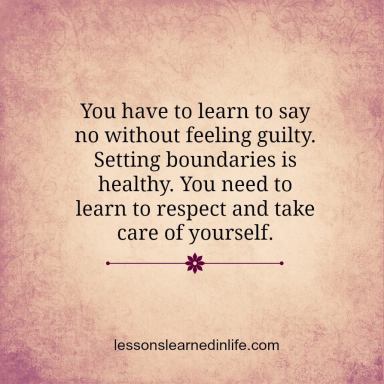
Words Mean Nothing

Empty-Words

A number of years back when my personal life started falling apart, at the urging of my sister I went to see a counselor for the first time in my life.

I have to admit, I didn’t really want to go.  I had always considered myself a mentally and emotionally “strong” person, and believed I was capable of handling pretty much anything life could throw at me.

In many ways I still believe that; though I no longer equate being able to handle things with “strength” (resilience may be a better word).  The word strength suggests that when someone can’t handle things on their own they are weak, and that’s not the case.  In fact, recognizing and accepting when you can’t handle things on your own any more, and being willing to reach out for help in those situations a form of strength that often goes overlooked.

In any case, my sister was right.  I was struggling with the things going on in my life at the time, and although I wasn’t convinced it would do me much good to go talk to someone I figured it couldn’t do any harm either.  At worst I would waste some money and an hour of my life, so what did I have to lose?

I went.

Although it was over four years ago, I still remember some moments from that hour quite vividly.  There were things she said that were true, that I either didn’t want to believe or maybe wasn’t ready to believe at the time.

And the most important of those was when she looked at me and said (paraphrasing here):

When there is a disconnect between someone’s words and their actions, always trust their actions.  Anyone can “say” something; but words without actions mean nothing.


Back in the late 90’s I took a certificate program in computers (I previously has completed an arts degree, but found there wasn’t a lot of work for people with a Philosophy/Sociology background.  Who knew?).  At the time, Project Management was a relatively young field that looked like it would be a good career path.  One of my classmates and I talked about project management together, and felt that after we had established ourselves in the IT (Information Technology) field – probably five years in, we would do this together.

Seven or eight years into my career I remember this plan, so I called him up.

“Kev, it’s Drew.  Remember we talked about taking project management courses together?  Well, it’s been a while and I think it’s time so I’m going to sign up.  You still in?”

“Hmmm, I don’t know man.  Things are going pretty good in my job and that’s another couple years of school.  You go ahead, I think I’m out”.

So off I went on my own.

Obviously this is a flawed example.  A number of years had gone by since Kevin and I talked about doing project management together, and things had changed in both of our lives.  So it’s not like Kevin did anything wrong, or went back on his word here.

The point of this story isn’t just that his life had changed.  It’s that he was still interested in project management; it’s just that he wasn’t interested in it enough to actually DO something about it anymore.

It was no longer a priority.

It no longer really mattered.


I believe this happens a lot in life, both internally and externally.

Internally we have all of these “beliefs”.  Things that we say we want, or think.  And often we convince ourselves that these things are true.  We convince ourselves they are real.

But they aren’t.

Or perhaps more accurately, they aren’t real enough.  We may want these things, but not enough to put in the effort required.

It’s easy to find barriers to the things we want in life.

We don’t have enough time, or we don’t have enough money, or there’s just no opportunity.

So we tell ourselves things like “yes, I do want this, but this isn’t the right time.  I just need to do A, B or C first.  THEN I’ll be able to focus on that.”  We tell ourselves we will do it “tomorrow”.

But time passes, and tomorrow never comes.


When “tomorrow never comes” I think one of two things is happening.

Scenario one – we never TRULY wanted it.  Yeah, we may have wanted it – but people often want a lot of things.  Many say they want to be rich, but they want it to happen through a lottery winning or something.  They don’t actually want to put in the time and effort to grow a business, or they don’t really want to take the risks that have the greatest potential payoff.  Others say they want a “good body”, but they don’t actually want to worry about the hours required in the gym or the discipline required to monitor their eating habits.

It’s easy to want something, but do we TRULY want it?  Are we willing to put in the effort?  To make the sacrifices of our time and energy?


Scenario two – we may TRULY want something, but we are afraid; afraid that we would try, and fail.

And when we are scared to fail, it becomes easier to just never try.  After all if we never truly try, we can tell ourselves we haven’t actually failed.

It’s a lie of course.  But as humans we lie to ourselves all the times.  Failing because we didn’t even try is still failing, but we can tell ourselves it’s different and maybe we would have succeeded if we “had the right opportunity”.

When things don’t go the way we want the default wiring in our brain causes us to go through all sorts of steps to absolve ourselves of any responsibility.

First we deny, and say things like “well, I didn’t really want that anyway”.

Next we blame, or justify.  “Oh, I couldn’t do that because things were too busy, and I didn’t have any money, and I…”

We tell ourselves these lies, and we convince ourselves they are true.  Because it’s a lot easier than actually facing the mirror and accepting that maybe we AREN’T the person we thought we were.  That we don’t really want to put in the work, or we are scared to fail.  That we really want life to come with an easy button.


Life doesn’t come with an easy button though; and sometimes things are hard.

Each person needs to make their own choices on what is ACTUALLY important to them.  And if something IS important?  They will make it happen, or at the very least they will be willing to put in effort to give them the best chance of success.

Words are easy.  They are “free”.  Effort isn’t.

If someone “says” they want something, and their actions don’t seem to support their words then the reality is for one reason or another, they don’t actually want it.  Their true values don’t match the ones they profess to have.


My main focus in writing is relationships, and this is where you really see this.

It’s easy to SAY you want a relationship, or you want a relationship to work.  But what are you willing to DO about it?  Are you willing to give?  To compromise?  To accept that things won’t always be easy, and that things won’t always look the way you want them to?  To accept that conflict is natural and be willing to work through that?

Do you ACTUALLY want a relationship, or do you just want the fun parts and the easy parts?  Are you just scared to be alone?

Often, I think the answer is the latter.

We DO want the relationship.  But only when it’s convenient, and when it works for us.  I think of this as wanting the perks of a relationship while still wanting to act like you are single.

That’s not the way life works.  Relationships are about two people, not just one.

feeling of love


The flipside of this is being in a situation where you want the relationship but the other person doesn’t really seem to want it in the same way.

This is a very painful and difficult spot to be in, and the situation where you truly need to understand that words without action mean nothing.

I hear stories from many people who feel stuck – caught in a scenario where they want their relationship to work but their partner doesn’t seem to want it, or seems to want it only on their own terms.

These people are hurting, and their partner doesn’t seem to really care.  Often they “say” they do, and they say that they want the relationship to work.  But they don’t seem interested in actually doing anything about it.  Their actions don’t seem to match their words.

worthit


Words mean nothing, unless they are backed by action.

Your partner may profess to care about you and want you in their life, but you need to know it and feel it.

Love isn’t just a word, it’s an action; and it should be felt through the little things.  Shared looks, smiles, affection, enjoyment of time spent together.  And by making each other a priority.

When you don’t feel like a priority and love seems to be missing, it’s easy to start questioning and doubting the relationship.  And no one should ever have to question if their partner actually wants to be with them.

If one person is starting to question whether other person really wants to be there, this needs to be communicated.  The couple needs to be able to sit down and talk about the state of the relationship, and their concerns.

Their partner needs to be willing to listen, and both hear and understand what they are saying.  And once they have heard, there has to be a lot than words.  There has to be action, and visible effort.

If there isn’t?

Then they are showing what truly matters to them.  They are showing that what truly matters does not include their relationship.  And it doesn’t include you.


time-decides-your-life

Is Monogamy Natural?

One of the big arguments/excuses/rationalizations commonly given for affairs is that monogamy is not natural.

It’s an argument that’s been around for years, and I recently saw it in the headlines when Scarlett Johansson was discussing her own failed marriage.

I don’t think it’s natural to be a monogamous person. I might be skewered for that, but I think it’s work. It’s a lot of work. And the fact that it is such work for so many people—for everyone — the fact of that proves that it is not a natural thing. It’s something I have a lot of respect for and have participated in, but I think it definitely goes against some instinct to look beyond.

Scarlett Johansson


I actually agree with what she’s saying here.

Yes marriages are work.  I’m not sure if being monogamous is “work”, but a marriage isn’t always easy or fun.  When you’re married you have to balance what is good for the marriage with what is good for you; and sometimes there are differences between these two things.

This is one of the big things challenges all relationships face.

Additionally, people are sexual beings.  Talking about sex and sexuality is somewhat taboo and often makes people uncomfortable; but it doesn’t change the fact that we are sexual beings.

Sexual desires are normal, and healthy even.


Monogamy is about committing to one person physically and emotionally, and committing to that person ONLY.

Committing to one person doesn’t mean you stop finding other people attractive though.  And yes, you may even have sexual thoughts or desires about another person.

So there is definitely some basis to the argument that monogamy is “unnatural”.


To that I say, so what?


Basic Instincts

Sexual desire is a basic human instinct.  It’s natural, and I can accept that it may be natural to (occasionally) have sexual thoughts about someone other than your partner.

But you know what else is natural?

  • Wanting stuff you don’t have
  • Getting defensive when people criticize you
  • Believing “your way” is the best way
  • Fearing what we don’t understand


There are lots of things that are “natural”.  But it’s a HUGE mistake to think “natural” is the same as good or desirable.  They aren’t the same thing.

When someone pisses me off, it may be natural to want to yell, scream, or punch them.  That doesn’t mean I should.

So sure, due to sexual instincts monogamy may not be natural.

Here are some other “unnatural” things:

  • Getting a job.
  • Being honest (instead of telling people what we think will make us look good or we think people will want to hear).
  • Accepting that our way isn’t always best, and different approaches can be just as good (or even better) than our own.
  • Working to find solutions to problems that work for both people instead of  focusing on what is best for ourselves.
  • Not just doing something or taking something (stealing) simply because we “want to”.
  • Trying to see things from the perspective of another person.


None of these things are “natural”, and none of these things are “easy” all the time.  In fact, some of them are REALLY HARD.  But they are still positive and healthy.

Unnatural things can be positive, and Just because something may seem “natural” doesn’t mean we need to act on it.

In fact, I would argue that MANY of our “natural” instincts are actually driven by greed and selfishness; which aren’t exactly positive characteristics.

Yes, we have basic/natural instincts and those instincts drive our behavior at times.  But our instincts don’t control us, and they don’t define us.  We don’t have to act on these instincts.

In fact, I believe our ability to demonstrate self-control and NOT act on our basic instincts all the time is one of the key characteristics that allow us to function in a social world.


Casual Sex vs. Intimate Sex

Thinking back to the idea of monogamy, I ask you – what is sex?  What does it mean to you?

Is sex just a physical act driven by a hormonal response?  Or is it something more?

I’m not sure if there is a “right” answer here, but I think “how” someone answers that question will have a direct relation to their views on monogamy.


Sex is a physical act, and feels good.  It makes nerve endings in certain places go crazy (in a good way).  It also causes the release of dopamine and other “feel good” hormones.

But is that all it is?

I don’t think so.  When it comes to sex (and attraction), I think there are a few other things going on.


Even if you are in a monogamous relationship, when our partner compliments us, tells us we “look good”, that they find us attractive or that they desire is, it feels good.

Whether it’s your partner saying it or someone else, it feels good to know others find you attractive (anyone who says otherwise is lying).


Someone noticing you, wanting you, and desiring you makes you feel good about yourself.  Well, unless they do it in a creepy leering way – then it probably just makes you feel self-conscious and perhaps a bit concerned for your safety.

Other than that?

Being desired makes you feel better about you (at least for a little while).

This is because sex and attraction are tied to ego; to our feelings about ourself, and our own self worth.


Sometimes (especially in long term relationships), our partners do a pretty shitty job of “wooing” us, and reminding us that they find us attractive and desire us.  Or maybe they still do and they still try, but because we already “have them”, it doesn’t impact us much anymore.  After all, wanting something we “don’t” have is another of our natural instincts (this is why I think understanding hedonic adaptation is key to happiness in life).

This is just a reality of long term relationships.  So we ALL need to remember that letting our partners know that we still desire them is important.  And listening and being willing to believe our partners when they tell us they still find us attractive and desire us is important too.


But is sex just about desire and feeling good about ourselves?  Are our egos so fragile that we actually “need” others to wants us?

Sadly, I think the answer is often yes.  And if so, what does that say about us?


Let’s say I go for a walk, and while out on the street I run into Scarlett Johansson.  And let’s assume she sees me, we get talking, and yeah, she finds me attractive and desirable (because she would of course).  She’s already established with her quote at the start of this post that she doesn’t think monogamy is natural, so let’s say she and I decide to have sex (hey, this is my story so I can have it play out however I want!).

I’m sure the sex would be enjoyable.  But beyond having a chance to be naked with Scarlett Johansson what have I really accomplished here?

Will I actually feel better about myself?  If so, why?

Is my life any better because I’ve now had sex with her?  I guess I could put it on my resume or something; but in reality, it wouldn’t change my life much.  And actually, even if it’s on my resume it likely wouldn’t help me land many jobs.


If sex is purely a physical act that feels good, then we can do it with anyone we find attractive.  When that happens, it’s all about ego.  It’s all about external validation.  Sex becomes a form of power, where having sexual power over someone or being wanted sexually is required in order to feel good about oneself.


So yes, sexual desire is natural.  And there are lots of people out there who I would find sexually attractive and/or appealing for some reason.  But does that mean I should want/need to have sex with them?

If so, why?

To feel good about myself?  To validate my ego?


Sex as a physical act may feel good, but I think sex can (and should) be more than that.

A few years ago I wrote the following:

Sex is a form of communication. It’s a physical manifestation of the love, caring and compassion that you share for one another. If there are any underlying issues in your relationship, there’s a pretty good chance that there’s a bit of a breakdown in caring and compassion. When this happens the openness required for meaningful sex is likely missing (or at least somewhat hampered). You may or may not still be having sex, but without the emotional connection sex becomes purely the physical act.

Sex is different from intimacy.

Intimacy is about connection. It’s emotional, physical, and even spiritual. Sex is a form of intimacy, but it’s not intimacy. Intimacy is the little things – the touches, the smiles, and the shared looks. Intimacy is feeling loved, feeling valued, and giving that in return. Intimacy is opening up to each other, sharing hopes and dreams, and allowing yourself to be vulnerable with another person. Intimacy is about openness.

Sex in the context of intimacy is the deepest form of sharing a couple can have. You are literally giving yourself to your partner, and symbolically the two of you have joined as one. It needs to be as much about what you give as it is about what you receive.


I think intimate sex can only exist in a committed/monogamous relationship.  Casual sex may feel good, and may be passionate at a physical level.  And for some, they confuse this with “intimacy”.

Intimate sex is deeper though; and can only happen when you let down your walls and truly let the other person in.


MoreThanSex


There are many things that aren’t “natural” for people, but these things can still be admirable characteristics and qualities to have.  We just need to work on them, and accept that we always have choice.  We aren’t slaves to our natural instincts.

Monogamy may not be natural, but that doesn’t make it a bad thing.

Part of what makes us human, and makes us more than just animals is our ability to learn empathy; and to actually care about something larger than just us.


I’m not saying casual sex is necessarily a bad thing.  If that’s all you are looking for in a relationship for whatever reason (time, energy, fear of intimacy, enjoyment of being able to live life attachment free), that fine.  In that case it’s important you are upfront with the person you are with, and you find someone who has a similar approach to life.  As long as that approach works for both people, great.

But when someone wants “the life” – the safety and security that comes with a committed relationship, yet also wants to do what they want sexually; don’t use the excuse that monogamy isn’t natural.

It may not be, but a lot of what makes us human isn’t natural.

It’s a choice.

feeling of love

What is Enough?

EnoughHeader.jpg

In my last post I discussed one of my major life/relationship philosophies; the notion that my life is not my own.  It is, but even though I am an individual my actions impact others.  Due to this I can’t just *do what I want*, I need to keep others in mind with everything I do.

One of my other major life philosophies is the concept of enough.

What is enough?

What does this even mean?


A few weeks back I went and saw the movie Logan (great movie by the way), and before it there was a trailer for the upcoming Fast and the Furious movie with excerpts of interviews with the directors.  In it, the directors talked about how the Fast and the Furious movies are always spectacles, and for this one they felt they needed to top the previous one.  They wanted it to be bigger and better; with more explosions and more elaborate stunts.

This idea of “bigger is better” (or “more is better”) is common in movies (particularly sequels).  And this line of thinking isn’t limited to movies, it exists everywhere in life.

If something is good, then more of that something is better, right?  We can improve anything, just by having more of it.


How do we know we have a “good” life?  We measure it by our happiness, right?  So it stands to reason that if we REALLY had a good life we would always be happy.  And if we’re not always happy, then something is missing.

We just need to find what that something is, and then we will be happier.

But what do we need?

More money?  A better job?  A better house?  A better body? More sex?  More friends?  More time out “having fun”?  A better lover/partner?

One of these?  Some of these?  All of these?

Will ANY of these improve the quality of our life?  Will any of them actually make us happier?


Personally I think our notion that you can measure quality by of life by “happiness” is broken, but the “more is better” logic tells us yes.  And who knows, maybe changing some of these things would result in improvements to our level of happiness.

If we get that raise, maybe now we can go on that trip we wanted.  Maybe we upgrade to the bigger house, or the nicer car.  If we lose that weight maybe we will feel better about ourselves.

These sorts of things do feel pretty good, at least in the moment.  But it’s always short lived.  These sorts of improvements are only temporary, because there’s a fundamental problem with “more”.

It’s doesn’t matter how much you have.  There will ALWAYS be more.

You can always make more money.  There is always a better job, a better house.  You lose those 10 pounds, and there are always other changes you can make.  Even if your partner is pretty good, there is always going to be another person out there who will be a better lover or partner.


Here’s the problem…

When we believe we don’t have enough, it leads to unhappiness.  Because when feel we don’t have enough, we are focused on what we DON’T have.  We are focused on what our life is “missing”.

And when we are preoccupied with what we don’t have, we are unable to be present, to actually “live” in the moment.


So to me, the REAL question is not about more.

The REAL question becomes, what is enough.


Continuous growth is unsustainable.  There is always going to be something you don’t have.  You can always have more.

At what point are you able to be content with what you already have?

To me, THAT is the key.  Being able to say “yes, there’s more.  But that’s alright because what I have is enough for me”.

My job is enough.  My house is enough.  My partner is enough.  My life is enough.

I am enough.


Enough is about appreciating what you have right now, today; instead of focusing on what you don’t.  To me, this should be a good thing, a positive.

But instead, believing that what you have is enough seems to be looked down upon.  There seems to be this notion that saying something is enough is about not striving to improve, or about settling.

And in today’s culture, settling seems to be one of the worst things you can do.

Just turn on a television, open a magazine, or listen to the radio.  Within a few minutes, you will probably see or hear something telling you how amazing you are.  How special you are, and how you deserve the best.  After all, YOU are special – You aren’t like everyone else.  You should stand out, not fit in.  So if you don’t have the best, you are settling.  And you could or should have had more.  This same approach is used in marketing to make you want to get the best for your partner, or your children.  Aren’t they special too?  Don’t you want the best for them?  Don’t THEY deserve it?

Of COURSE your kids should have the best.  Of COURSE your partner should have the best.

But here’s a secret…


I am not special.

You are not special.

Sorry, it’s true.  We are all just people.

Regular people, going about our regular lives and doing regular things.  Most of us get up in the morning and go to work at jobs that aren’t glamorous but allow us to live our lives.  We cook our meals, do our laundry, clean our living spaces.  We pay our bills, and hope that at the end of the day there’s enough money and/or energy left over for us to take some time out and do something special for ourselves.

This is reality for most of us, and that should be alright.


I’m not saying that no matter what you have, it should be enough for you.  I’m not saying people shouldn’t want more out of life.

Sometimes you DON’T have enough money, and it’s damned hard to get by.  Maybe your family HAS outgrown your house, or your vehicle.

And sometimes your partner IS an asshole, and you DO deserve someone who will treat you better (and in turn allow you to treat them better).


It’s not bad to want more, or different.

But what I AM saying is more doesn’t necessarily make things better.


Ask yourself this – if what you have today isn’t making you happy, why in the world would you think that more would make it better?


Life is multi-faceted, and there is balance to be found in everything.  There are many areas in life where we can change, and improve.  And for each of these areas we need to figure out what enough looks like for ourselves.


Maybe you DO need that six figure salary.  Maybe you DO need that big vacation every year.

Enough for me may not be the same as enough for you.  And that’s alright.

Each person needs to define that for themselves, and doing so involves looking inward.  It involves truly understanding ourselves, and our boundaries.  It also involves understanding the difference between need and want, and in today’s world I think we often confuse that.

More isn’t better.  And it won’t make us happier.  And actually, sometimes it’s the scarcity of something that makes us appreciate even more when we do have it.


When I look at my life, there are a ton of things I would *love* to do.  I love travelling, and would be happy to do more of it.  I wish I could eat out more, or at least at some of the places I know are outside of my price range.  I wish I had more free time to just slack off, and do some things for me.

But then I ask myself, what REALLY matters?  What are my REAL priorities?

My children.  My family.  The people who actually matter in my life, and who I matter to.

I know what love looks like, and I know what caring looks like.  And I know what it means to me.

When look at my life I can truthfully say I like what I see.  And I know that for me at least, it’s enough.

Your Life is Not Your Own

Lifetitle.jpg

One of the biggest things that shapes my world view is a belief that my life is not my own.

In some ways, that statement seems completely nonsensical.  Because of course my life is my own.  I mean, if it’s not mine then whose is it?

Am I not an individual?

Don’t I make my own choices?

When I get up in the morning, I decide how my day looks.

I can go into work, or I can call in sick.  If I go to work, I decide how hard I want to work during the day.  I choose what I want to eat – I can eat pizza pops and candy all day if I want.  I can flirt with co-workers, come in to the office drunk or high, and pick up prostitutes.  Hell, I can head into my bosses office and defecate on her desk if I really wanted.

I have those choices.  I have that *power* (if you can call it that).

Based on all of the above it seems obvious that my life is my own, and I can do with it whatever I want.


Thing is, although I COULD do whatever I want, I don’t (fine – I’ve probably had days that I ate nothing but candy and pizza pops, but they’re rare.  Never more than once a week).

Generally there is some thought process behind my choices; and 99% of the time this involves weighing my choices against my core values.  Values that tell me doing things like flirting with co-workers, coming into the office drunk or high, picking up prostitutes and defecating on my bosses desk are BAD decisions.

I can’t say that I’ve ever wanted to do any of those things, but even if I did, they are choices that would potentially have long term implications on my life.  And these implications don’t just affect MY life, but also the lives of the people around me.  The people I care about.

See, my life isn’t just about me.  My actions may be my own, but they impact other people.


I’m a father, and virtually EVERY decision I make has the potential to shape the lives of my children.  Some decisions can radically affect their futures, but even for smaller decisions I need to model behavior to them that shows them how I believe they should live their lives.

In my mind, when I became a parent I gave up the right to focus primarily on me.


Even without children, the same rules apply in relationships.  It’s one thing if all you want is to casually date.  Casual dating is all about you, and what you get out of it.  It’s the easy part – the “fun” without any responsibility.  You see someone only when you want, and on your terms.  You can focus on what you get out of that “relationship” and not actually care about the other person (side note, I don’t consider casual dating an actual relationship).  And if they don’t like that?  Too bad for them, you can move on and find someone else.

That approach to relationships works for some, but most people want more out of their relationships.  Most people want at least some commitment from the other person.  For that person to be faithful to them; and maybe to start building something with them.  I think most of us like the idea of growing old *with* someone, and sharing our life with them.

For that to happen, things need to change.  It can’t just be about you anymore.  Relationships are about both people, and both people matter.  Both need to feel valued, and heard.  And for that to happen, the other persons needs/wants have to matter just as much as our own.

In a relationship, your actions are still your own.  You are still an individual, and you can choose to do whatever you want.  But your decisions impact your partner, and as a result you need to take your partner into account in the things you do.

You can still choose to do whatever you want, and not take your partner into account.  But if you do that you are not respecting that other person, and you are not respecting the relationship.


relationshipandsingle


Even if I don’t have children and I’m not in a relationship, I would still contend my life is not just about me.  I still have parents, siblings and friends.  I still have co-workers who rely on me.

There are ALWAYS people who are impacted by my actions and my decisions.

That doesn’t mean I have to live my life for those people.  That doesn’t mean I *can’t* do what I want.  But it DOES mean I should take them into account, and realize that my decisions may affect those people adversely.


Pretending I’m an individual who can do what they want without realizing my actions impact others is self-absorption.  Thinking we are special, and we can do what we want because the regular rules of life don’t apply to us is entitlement.

In reality we ALL have moments of self-absorption or entitlement.  It’s just a question of how often do we do these things, and how do we respond when we’ve realized what we’ve done?

To me, I am in control of my own life.  I make my own decisions, and I do my best to deal with the impacts of those decisions.  And I do that recognizing that while I control my own life, it impacts others.  So I need to take others into account.

And in that regard, I accept that my life is not my own.

Establishing Boundaries

boundaryHeader

One of the main premises behind my blog is, when it comes to relationships most of us have NO IDEA what we are doing.

Sure, we learn some simple things like the golden rule when we are kids.

Beyond that though?

What do we really learn?

Most of us don’t learn how to deal with conflict.  In fact, we’re taught that conflict is bad and something to be avoided.  Because conflict means there are problems, and problems aren’t good, right?

So most of us spend our whole lives avoiding conflict even when that means the problems we have in our relationships go unresolved (including the ones that could often easily be resolved if we would just face them).

Thing is, conflict isn’t actually bad it’s simply the collision of two differing viewpoints.  Often neither of those viewpoints is right or wrong – they are just different approaches to things.  And taking the time to understand and accept each other’s viewpoints is a part of learning to love and accept each other for who we are (instead of focusing on who we aren’t).

Sadly, we don’t learn that – no one teaches it to us.  And if/when we DO learn it it’s often through trial and error, and only after a considerable amount of pain and heartache.

Another thing we commonly don’t learn about is how to say no.


Giving and Taking

In my last post I talked a bit about the end of my marriage, and how one of the most important things I learned about was the importance of boundaries.

Boundaries are a difficult concept.  What exactly are they, and how do we learn them?

Unfortunately, similar to how I came to the realization that conflict was positive and healthy (when done right), learning about boundaries often involves a lot of pain and heartache too.

Growing up, my one rule on relationships was the golden rule.

Do unto others as you would have them do unto you.  

Treat others the way you want to be treated.

I think I learned it somewhere around grade two, and it became the foundation of all relationships.

I like it when people are kind to me, so it made sense that I needed to try and be kind to them.  Being kind or nice is a good thing.  Being giving to other people is a good thing.  So it seemed clear that that was the right way to live your life.

But there was one problem here.

When you are willing to give, you will ALWAYS find people who are willing to take.

Being nice and kind is good, but unfortunately it opens you up to being taken advantage of.  And commonly we aren’t taught how to deal with being taken advantage of.

We aren’t taught how to say no.

Boundaries3


Learning To Say No

As children all we understand is our needs.  We want something, and we either get it or we don’t.  Hopefully we learn that we won’t always get what we want, and that’s alright.

I’m a parent, and trying to teach that can be a challenge.  There are times that my kids have tantrums (which are really just a form of trying to get control), and those tantrums can be emotionally draining.  Sometimes during those moments it can be tempting to just give in and give my child what he wants.  When we do that, part of us knows we are showing them that tantrums work.  That if they make a big enough fuss they will get what they want.  But we know that with children we NEED to say no to them because that’s how they learn.

We set down rules and we expect our children to follow them.  After all, we are the parent and they are the child, and we know those rules will benefit them in the long run, and in fact are important to their development.

For some reason we don’t do this in adult relationships (both friendships and romantic relationships).  In adult relationships, people are adults and we expect them to behave as such.  So we don’t create rules, because we don’t think we should have to.  And further, we probably don’t even know what the rules should be.

We don’t know what our own boundaries are.

We only start to learn them when they are violated.


We only start to understand our boundaries when someone says or does something that hurts us.  When we feel belittled, or disrespected, or even just ignored.  When we don’t feel valued, or heard.

These are the moments that we start to learn what our boundaries are.

These are the moments when we need to start to push back and say no, or say hey, you’re hurting me here.

But often we don’t.


For many years I didn’t know what my own boundaries were.  I didn’t learn to say no.  And I suspect I’m not alone in this.

I was taught to give, and to treat others well (how well I succeed in that is a fair question). Because of this when I was hurt by someone I loved I didn’t know what to do.  I didn’t know how to deal with it.

I saw conflict as bad, so I would just accept certain things.  Or I would make excuses for them.  Things like “oh, he/she did this – but they were having a bad day so it’s alright”.  I would let things go, rather than having them turn into a fight.  Because it wasn’t worth a fight, right?  And when you loved someone, did the little things really matter?

That’s what I believed, but I was wrong.

In allowing certain things, I was saying these things were alright.  In trying to be kind, I was enabling poor behavior.

And I wasn’t respecting myself.

Boundaries4


Boundaries are hard; and when you haven’t being enforcing them and you start to, people can accuse you of being selfish.  That accusation can sting, because at first it DOES feel selfish.  When you’ve spent a long time focusing more on the needs of others, trying to understand and enforce your own boundaries them and enforce them doesn’t feel right.

Saying “No” to someone isn’t easy.  Saying “hey, when you did this you hurt me” isn’t easy.

But sometimes, it’s necessary.

It’s important to remember that standing up for you isn’t selfish.  I think this sums it up well:

selfish

To me it’s about balance.  If you always put yourself first, then yeah, you are probably selfish.

If you are in a relationship the other person HAS to be important.  Their needs have to be important to you.  It can’t ever be just about one person, both people always need to matter.


Discovering You

Understanding your own boundaries is about learning what your core values are.

What TRULY matters to you?  What are your NEEDS, and not just your wants (at first the line between this things can seem very blurry)?  How do you need other people to treat you and interact with you?  What do you need to feel valued, and respected?

Once you understand this, how do you go about enforcing them and ensuring they are being respected?

I think understanding this is a long process, and is part of our own personal journey.  It’s part of defining who exactly we are as a person, and I don’t think we learn this easily.

Further, I think not understanding it or enforcing it is a large part of why many people find themselves in unhealthy relationships.

Often marriages or long term relationships start in our twenties, before we really know who we are yet.  We don’t know our boundaries, and we don’t know how to enforce them.

If we are lucky, we have sufficient communication skills that we are able to grow together as a couple.  Learning who we are, establishing and communicating boundaries and, and continuing to accept and still love each other as we grow.

Unfortunately, that’s not always the case.

In learning yourself and your boundaries you may find that your partner doesn’t respect them, and isn’t interested in doing so.

When this happens you face a difficult decision.

Because sometimes, as difficult as it may be the only way to respect yourself is to accept that the relationship you are in no longer works.

Relationships require reciprocity.  And if someone is unable to respect your boundaries, then they don’t respect you.  At that point you need to ask, does that person really want to share their life with you or are they primarily interested in having someone take care of them and meet their needs?

Both people need to be respected.

Both people need to be valued, and heard.

Both peoples boundaries matter.

If they don’t?  Then it’s not a relationship.


Boundaries1

Relationship Limbo

Cracked clay landscape in the Atacama desert.

One of the main premises of my blog is, although each relationship is unique there are often common problems and issues affecting many of us.

So by looking at those “common problems”, in theory there will be many people out there who will be able to relate to what I’m trying to say.  Some of what I write is from experience while some is from things I have read or even just from personal observation.  But in my writing I try to look at things in terms of ideas, or beliefs.  I try not to write about me or my experiences directly.


In that regard, today’s post is a bit different.

Like many, my marriage was challenged; and that became the flashpoint event that caused me to turn to writing.

When I found out my wife was unhappy in our marriage; I wanted to understand, and to make things better.  I knew there was a lot of good, and I believed that if we could go back and find that good our life could be great again and we could have the “forever” we once promised each other.

So I fought for us.

I tried to grow to be a better person, and in that regard I would like to think I’ve succeeded.  But even though I grew personally, I still failed and our marriage failed.

Today I hope to share lessons I learned, painfully.

Every situation is different and what is right for me isn’t necessarily what is right for others, so everyone needs to judge for themselves what is right in their own situation.

But for me, these are “truths” I wish I had learned earlier.


My story

A number of years ago my wife told me she was no longer happy in our marriage.  She didn’t feel she loved me anymore, questioned if she ever “truly” loved me, and wasn’t sure if she wanted to be married anymore.  I’ll guess she felt that way for a while, but it was over 4 years ago when she finally told me those things.

“Why” doesn’t really matter, and honestly I don’t actually know if she or I will ever really understand it.

I was caught off guard, as I hadn’t seen it coming.  To me, marriage was forever.  We had been together a long time and had a young family; so I didn’t want her to do anything rash.

I wanted to understand what was wrong, thinking if we could identify the problems we could improve them.  After all, isn’t that what you do?  Try to be there for each other and try to be better?

She told me she didn’t want “us” anymore, and further she didn’t even want to try because “what was the point”.  She had never communicated this to me before, but apparently for her she had been feeling this way for a while.

I was able to convince her to stay, but it was only ever in body.

She never seemed to buy in to the notion we could still be happy, and she never seemed to *want it* the way I did.

It felt like a self-fulfilling prophecy.  She wasn’t sure she wanted to be married anymore, so her effort was sporadic, and never sustained.  And not putting in consistent effort undermined our ability to ever improve.

She wasn’t sure if she wanted to be married anymore, and after that day we really never were.

I continued to love her, but she didn’t seem to love me back.  Instead, we were in this limbo state where we were a bit more than roommates who co-parent, but not really a couple.  Any passion she once had for me or for us had long been gone.

In that situation, it was a struggle to remain positive and stay strong, holding on to hope things would get better.  But I tried.

Occasionally things would improve for a day or two; sometimes even weeks at a time.  During these moments I would feel connected again, and get a glimpse of what our life once was and what I felt it could be again.

But these moments were always fleeting, then her body language would change and the walls would come back up.  Emotional walls, where I could feel her holding back.  She either didn’t love me, was unable to express it, or didn’t believe she should have to.  But in the end it amounted to the same – my perception had been one of a number of years in a relationship where my love was not returned.


John Gottman (Seven Principles for Making Marriage Work) said a successful marriage needs 5 positive interactions for every negative interaction.  I disagree.  Tension and negative interactions may be bad; but apathy is worse. Living in limbo, without expressions of love and affection was a slow death, and in some ways I think a major issue or incident would have been better.


Limbo

Limbo is defined as:

“an uncertain period of awaiting a decision or resolution; an intermediate state or condition”.

And that’s what my life had become.

A life where I was married, but not.  I was with someone who wouldn’t commit to me, but was also unable to let me go.

In those early months and years, I thought I was doing the right thing.  I stayed with her, and accepted the lack of reciprocation of my love.

I told myself she just needed time.  I knew what we had, and I knew how great our life could be.  So all I had to do was stay positive and I would be able to get her to come back to me.  I could be the light that would bring her out of whatever dark place she was in.

So I waited.

I had visions of those romantic stories where people are separated by circumstance, and eventually they are reunited in their love.

I told myself that would be us.

One day she would see me again with fresh eyes, and she would love me again.  I even imagined us one day renewing our vows together.

I was an idiot.


What I failed to see was, this was different.  We weren’t separated by circumstance, this was choice.  This was someone who knew me, and knew everything about me.  She had every opportunity to be there and to choose me.  But she wouldn’t, or couldn’t.

She was a priority to me, but for her I wasn’t a priority anymore.  For whatever reason, I was just an option.  She wanted time to “figure stuff out”, to figure out what she wanted out of life.

And while she figured stuff out I was supposed to sit there and wait; and be there IF and when she decided she wanted us again, no matter how long that took.

option


In staying with her I thought I was doing “the right thing” for us and our family.  I thought I was respecting my vows, and being there for her in good times and in bad.  After all, marriage was supposed to be for life.

But the reality is, I wasn’t doing the right thing.

I wasn’t respecting myself.

By allowing us to stay in this limbo state where I wanted things but she didn’t, I was enabling this.  I was saying “this is alright, it’s okay for you to feel this way.  It’s okay for you to treat me this way”.

It wasn’t.


I needed her to make a decision.

I needed her to recommit to us.  To work on improving whatever was wrong, and to choose me, each and every day.

And if she couldn’t, I needed her to let me go.


limbo2


Establishing Boundaries

What does a relationship mean to you?  What do you need from your partner?  What behaviors from them are acceptable, and what aren’t?

I don’t think most of us know that.  I don’t think we understand what those things mean to us.

I know I didn’t.

I believed I loved someone, and she loved me, and that should be enough.  With that, everything else would just fall into place.

But I was wrong.


Living in limbo was difficult, but the one positive is it allowed me to try and understand those things.  I didn’t just mope at how sad my home life had become.  I took the time to understand who I really am, and what I need out of life and love.

There are things we want, and there are things we need.  Learning what these are is part of understanding ourselves, and establishing our own boundaries.  And once we’ve established them, we need to enforce them.

But nothing is either/or.  Everything exists on a spectrum.

Love, affection, kindness.

All of these things exist on a sliding scale.  Some days you will have more, other days less.

You can always have more, but at what point do you have enough?


My broken marriage was an awful experience, but it allowed me to learned what enough looks like for me.  I’ve learned what things I need, and what things I can’t and won’t do without ever again.


Finite Resources

In the investment world, people talk about how property is one of the safest investments you can make because there’s a finite amount of it.

And that’s true.


But there’s another thing there’s a finite amount of.

Time.

We have a finite amount of time on this earth, and each day should be precious.  Things aren’t always easy, they aren’t always fun, and that’s alright.  Getting through the hard times with someone you love is part of what makes a couple stronger.

But you have to believe in what you are doing.  You have to WANT it – even when it’s hard.  And if you DON’T want it?  That’s when you fail.


When things start to fall apart, it doesn’t mean you need to bail right away (if people did, I doubt ANY marriage would last).  When you have history together, it’s always good to give things a bit of time to turn around.

So the question becomes, when things aren’t working how long do you hold on?

I think that’s a question there’s no right answer for.  Initially I told myself I was going to give things 6 months.  That became a year, and then two.  Eventually we hit four years in this limbo state, where we were more roommates that co-parented then we were a couple.

And other than a handful of little moments, there was no real sign we would ever be able to find middle ground which would allow us to both be happy.

If we were actively working on things together, that time would have been an investment in a better future.  That’s not what happened though.  She just wanted more and more time to “figure things out”.  Her way.  At her pace.

Me, and my needs ceased to matter.  And I never got the sense that she actually wanted US.  She would “say” she wanted us, but her actions never reflected her words.

And as time passed, nothing changed.


Maybe it would have come had I waited another year.  Another 6 months?  Another week?  Who knows.

That’s the thing, you never know.  You can only ask yourself if you’ve done “enough”.  To that I can definitely look my children in the eye and tell them yes.  Their daddy did everything he could to keep his family together and hold on to his dream of forever.

But my best wasn’t enough.

I’ve learned you can’t make someone else love you.  And you can’t make someone else want something they no longer want.

But you CAN make it clear that certain things aren’t acceptable, and that you matter too.  You CAN stand up for yourself, and what you need out of life.


To the woman who was once my wife, and anyone out there in the same situation I say:

No one is entitled to a relationship.  If someone isn’t sure about what they want, they need to make a choice.

Commit, or get out.  Don’t hold people lives hostage because of your own uncertainty.

Because time wasted is time you will never get back.


Time-decides-your-life.jpg

What is Marriage?

marriage_header

For a few years now I’ve been writing about relationships, and marriage.  I consider myself “pro-marriage”, and a lot of my writing (in my mind at least) has been about trying to help others make their marriages into the best marriages they can be.

But one thing I’ve realized recently is, I don’t actually give a crap about marriage.

Wha?

Wait a second, what am I saying here?

As of right now I’m up to almost 150 posts over almost three years of writing; mostly about love, relationships, and how I believe long term monogamous relationships can and should be this wonderful thing; and how we can all strive to take what we have and make it better.

Isn’t marriage kind of the culmination of that ideal?  And if so, shouldn’t I be all “rah-rah” pro-marriage?

Well, yes and no.

Let me explain…


I do believe in marriage, very deeply.  But to me marriage isn’t about a piece of paper, or a title.  It’s not about being someone’s husband or wife, and it’s definitely not to give “legitimacy” to children that come from the union of two people.

Instead, marriage is a symbol.

And it’s a symbol of a RELATIONSHIP; a symbol that a relationship has reached a certain level of depth of caring, compassion, and commitment that a couple is now willing to make a promise to each other that they will be there to support each other and be there for each other for the rest of their lives.


Marriage is supposed to be about the relationship.  But for some reason, over the long term people often lose sight of that.  The relationship comes to be seen as a “given”.  After all, you’re already married – so what else is there to do?

Btw, that’s probably the worst line of thinking ever, and one that kills MANY relationships.

But even so, we often do it.  And instead of being about love and the relationship, the marriage comes to represent all the “other” stuff.  The house, the chores, the bills, the kids.  All the stuff that is part of the grind of regular day to day life starts to become associated with the marriage, even when that was NEVER what the marriage was initially supposed to be about.


Rather than a celebration of love, a marriage becomes associated with the mundane.  And when people start to lose sight of what brought them together in the first place, problems start to set in.

That’s when connection and communication starts to break down.  And where resentment and apathy can start to set in.  That’s where disillusionment with marriage can start to set in, and a couple will often start to drift apart.

To prevent this, they need to be able to go back to what brought them together in the first place.  They need to find the love and the connection again.  And they need to focus on the RELATIONSHIP instead of the marriage.

If they can’t?

Well, I’m going to steal my own words from a post from almost two years ago:

Let’s say you meet someone and fall in love with them, but they don’t feel the same way. Is that a relationship? No. You may love them and accept them for who they are. You may think of them all the time and have pictures of them in your house, wallet, at work whatever. But if they don’t feel the same way about you, then that’s just creepy (and probably puts you at risk of a restraining order).

If you believe you are in a relationship but the other person sees you as one of the many people they are dating, sorry, again it’s not a relationships.

It doesn’t become a relationship until they return the love, and there is an acknowledgement that the two of you share something together and you are committed to each other. So although love may be unconditional, relationships aren’t. Relationships do have expectations, and some degree of reciprocity is required.

Lets take this idea one step further….

Let’s say you are in a relationship, and the other person checks out emotionally. They stop doing the little things, they stop showing you that they care. You become two people, effectively living individual lives. If that happens, are you in a relationship? It doesn’t matter if there’s a piece of paper saying you are married, or you are living together. Even if one person still loves the other with all their heart, the relationship has effectively ended.

Relationships require reciprocity. They are about intent, and effort.

So I ask the question – if the relationship has died, what’s the point of the marriage? 

Why stay?

Either work on the marriage, and get back to a place where the relationship is at the heart of it; or get out.


Personally I don’t care about marriage as a piece of paper or a contract.  When people lose sight of the relationship and marriage has come to represent the routines of day to day life, I don’t see the point in continuing it.

Because to me, that’s not what it is.

When people are married, vows are usually spoken.  And if those vows are not being actively practiced, then the marriage is broken.

Commitment doesn’t just mean someone is “staying” in the marriage.  They have to be living it.  Staying in it without practicing the vows is just a waste of everyone’s time.

But when people ARE living it?

When the marriage continues to represent the love and the relationship that brought people together?  And when the marriage is a symbol of that active commitment and love?

Then I think marriage is one of the most beautiful things there is.

The Identity Gap

success-a

Identity is a big topic for me in my writing.  Who are you?  Who am I?  How well do we really understand ourselves as a person, and perhaps more importantly, how well do we accept ourselves?

Along this lines, one idea I’ve had rolling around in my head for a while is the idea of an “identity gap”.

To me, an identity gap is the gap between who we ARE and who we WANT TO BE.


Related to my post on fantasy, we all have an idealized version of self; this picture of who we wish we were, and how we wish our life looked.  This ideal is related to our dreams, and may be influenced by the things we see around us or the expectations that were placed on us growing up.


However this is just an ideal, and I don’t think ANYONE is their idealized version of “self”.  And for that matter, I don’t think anyone ever achieves it.

This concept of an identity gap has huge implications for the level of happiness a person has in their life.  And I think this happiness is directly related to three questions:

  1. How big is the gap between who you want to be and who you are?
  2. Do you accept that your idealized version of self is simply an ideal, and not reality?
  3. What are you doing to improve yourself and close the gap between who you are and who you want to be?


What is your Ideal Self?

This is a tough question to answer.  But I guess another way of look at it is, when you were a teenager who did you think you would be?  What did you think it actually meant to be an adult?

This is an area where man oh man, I think a lot of us screw up something fierce.

On one hand, we have all these adults all around us modelling what life as an adult looks like.  So you would think we would actually learn something from that.

On the other hand, we have tv shows, and advertising telling us how amazing we are, and how special we are, and how we “deserve the best”.

I’m not sure about this, but I suspect that even when all the evidence around us is telling us life as an adult is pretty mundane, there’s also a part of that expects life to look like a beer commercial.


I don’t think many teenagers/college students take a look at their parents and say “yup, that’s who I’m going to be when I grow up”.

For some reason we think we are different, and special, so of course our life will be different.  We will set goals, and achieve all of our wildest dreams.


A few posts back used a line I found:

What screws us up most in life is the picture in our head of how it’s supposed to be.

That line seems simple at first, but it’s also one of the most profound things I’ve ever read.

How things are “supposed to be”.

What life is “supposed” to look like.

What “love” is supposed to look like.

Who we are “supposed” to be.


I’m reminder of a scene from movie Boyhood.  It’s kind of a bizarre film, as it doesn’t really follow a traditional mold; but it’s also really powerful.  It was filmed over 12 years, and during the film you actually see the characters age and grow up.

In it Patricia Arquette starts out as a young mother with little education.  And during the 12 years of the film her children grow up, she is married and divorced twice, and gains an education and becomes a college professor (I think).

Late in the film there’s a scene where her son is leaving for college and she breaks down.  She reflects on all the things that have happened in her life, all the things she has done and accomplished.  And then she says:

I just thought there would be more.


I just thought there would be more.

Life hasn’t matched up to the picture she had in her head.  There was an identity gap, and when comparing reality to ideal, life ended up being a disappointment.


I think this happens often.

For some reason we expect “more”.  And real life isn’t able to measure up.

In our society right now, depression rates are up.  Anxiety rates are up.  People talk about happiness as if it’s this magical thing that they can achieve.  This goal in life that will make everything better.

So how do we make this better?


An Ideal is a Dream

I think one of the first things we need to do is accept that our ideal is simply something to strive towards, and not something we are likely to ever achieve.

And that’s alright.

We are all just “regular” people.  We aren’t any better than anyone else, and we do not deserve special treatment.

That’s not to say we shouldn’t have goals – because we should.  We need them, as goals give us something to strive towards.

Instead of just looking at our imaginary end state, we need to be able to set small milestones or goals, and celebrate the little successes we have along the way.

Because sometimes our ideal isn’t actually realistic.

So we shouldn’t measure our success in life against it’s end state.  We need to be able to look at where we are now, and appreciate it each and every day.


How are you Trying to Improve?

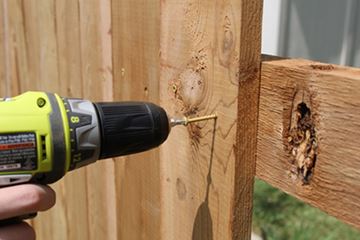
Let’s say I want to make a fence.  What do I need to do?

Does it help me to wake up everyday, look in my yard and think “man, I wish I had a fence”?

Ummm, no so much.

How about if I buy some wood and some screws, and put them in my yard and just leave them there?

I suppose that gets me a bit closer, but again, it’s not very helpful.


Instead, a few things need to happen.

  • First I need to understand where I am today.
  • Next I need to understand where I want to be.
  • Then I need a plan to get from point A to point B.
  • Lastly (and perhaps most importantly) I need initiative. I need to be willing to do something about it.


So everything starts with accepting yourself for who you are TODAY.

We all have strengths and weaknesses, good sides and bad sides.  And until we accept ourselves for who we are today (warts and all), we can never move forward or improve.  We are never able to live in the present moment, and able to appreciate the life we DO have.

When people are focused on their identity gap, they are focused on who they are not instead of who they are. And when THAT is the focus?  If someone is focused on what they are missing or who they are not, I don’t think they will ever be happy.  Because it doesn’t matter how much you improve, you can always get better.  And people who are focused on what they are not are unable to live in the moment and appreciate the things they DO have.

So any improvements need to first start with self acceptance.

changeparadox


Once you have accepted who you are today, you are now in a position to better understand the gap between where you are and where you want to be.

Ironically, once you have accepted yourself it may not matter as much.

Because although we can always be “more”, when we have accepted ourselves we know we are “enough”.

The “Easy Road”

easy-street_header

My last post was about living in fantasy land, and how dating and affairs are really a form of escapism.  They aren’t real love, and they aren’t even real life.

And I think sometimes problems can occur when people get confused about what “real life” actually is.

When people have online profiles (like facebook), they only present the things they want you to see.  It’s usually a “sanitized” version of their life.  They show the good parts, the celebrations, the parties, the trips.  If you looked only at peoples profiles, you would think they all had the perfect life, where everything was happy all the time and there were never any problems.

But that’s not what life really looks like.  Real life isn’t just the image of ourselves we portray.  It’s not the like the movies, and it’s not about escapism.

Real life can be messy.  It has highs and lows, and it requires us to face challenges and overcome them.


Looking for Fun

In the comments section of my last post, commenter wordsaremylife wrote (about her husband leaving):

my father summed it up perfectly, “He wants to be a college kid again. Fun without responsibility.”


This is a common thread in almost every story of a failed marriage or an affair.  Someone eventually seems to come to the conclusion that a marriage is just too much like work, and for some reason they believe it should be different.

They seem to think:

  • Life should be easy.
  • Love should be easy.

So many people seem to want life to come with an easy button, and when they find it doesn’t because things have gotten difficult?

They quit.

They walk out, and go in search of something simpler.

In search of fun, without responsibility.

Because it’s easier to walk out than to work on improving what you already have.

Thing is, often what they are walking out on is simply “real life”, and they are leaving it in pursuit of something that doesn’t actually exist.


Accepting Responsibility

I’ll be the first to admit that people often get so caught up in the “responsibility” side of life that they forget to have fun.  And when you ARE caught up in responsibility, it can be overwhelming.

But quitting is not the answer.  Escaping is not the answer.

Here’s a few important things that often get overlooked:

  • Life isn’t always easy.
  • Life doesn’t always work out the way you expect it to.
  • Life doesn’t mean you have to be happy all the time.
  • Life is not all about you!!!
  • Responsibility isn’t a bad thing.

Not only is responsibility not a bad thing, I actually think it’s a great thing.  Being able to be responsible, and take responsibility for things means you are taking ownership of your own life.  And what could be better than that?

Responsibility means you aren’t a victim. 

Things happen in life, sometimes good and sometimes bad.  And usually we have no control over those things.

But we ALWAYS have control over ourselves, and how we react.  How we respond.

That is something that is always up to us.

We choose what situations we put ourselves into, and we choose how to respond to those situations.


Putting in Effort

If you’re an adult (legally, if not mentally) you have bills.  So I’m pretty sure you have a job too.

I’ve had a number of jobs over the years, and in all the time I’ve held a job I have yet to find one that doesn’t expect anything of me.

I’ve yet to see a job description that says something like “We will pay you a fantastic salary to do things the way YOU want.  You can come and go as you please, with no real duties and no expectations on you.”

*Maybe* jobs like that exist.  I kind of doubt it though.  If they do, I’ll guess there aren’t very many of them and they’re probably in high demand.

No, generally the jobs that pay more also have higher expectations and responsibilities.  That’s kind of the way it works.

With most things in life, if you want to get more out of something you need to be willing to put more in.

Putting in effort in everything in life is key to maximizing what you get out of it.

This is why I can’t understand the mentality of people who are looking for the easy road in life.  People who are looking for fun without responsibility.  And people who just quit and walk away when things get hard.

If everything is supposed to be easy, where is the sense of accomplishment?  Where is the sense of ownership in having built something that matters?


I’m not saying people should NEVER quit.  Because there comes a point in time where you have to accept that things aren’t working, and you have to be willing to go in a different direction.

But I am saying there’s a HUGE different between putting everything you have into something, and being able to accept when it doesn’t work, vs quitting when things get hard or when things make you uncomfortable.


The Color Red

Years ago I took some philosophy classes in university.  University was a long time ago, so I don’t remember much; but periodically bits of Philosophy classes pop up in my head.

One of my classes was Epistemology (the study of knowledge), and in it I remember my prof presenting a hypothetical world where everything was red.

Paraphrasing here, he asked us:

“in a world where everything was red, would you be able to see the color red?  Would you even be able to conceive of it?”

That’s always stuck with me, and I think it’s especially relevant here.

Life isn’t always easy, and not only is that alright – it’s also NECESSARY.

We need to experience good AND bad, pleasure AND pain.  It’s the opposite side of the spectrum that allows us to appreciate the differences in life.


When people are looking for the “easy road”, they are trying to avoid the parts of life that make them uncomfortable.  Fun, without the responsibility.  Which is similar to pleasure, without the pain.  Or love, without the sacrifice.


But that’s not the way life works.

One of the more formative books I’ve read in recent years is Brene Browns “The Gifts of Imperfection”.  And beyond the discussion of trying to live an authentic life, one of the most important moments in it is when she talks about numbing behaviors.

We all have issues, and we all have pain to deal with in our lives.  But if you’re looking for the easy road, it’s because you want to avoid that pain.  So people turn to different things in order to numb the pain.  Drugs, alcohol, gambling, sex (affairs can be big ones), there are a number of numbing behaviors people will use.

But all of these are just escapes, and they don’t deal with the actual problems.  Because as Brene Brown says, we cannot selectively numb emotions. When we numb the painful emotions, we also number the positive emotions.

Fun without responsibility, pleasure without pain?  These aren’t sustainable.  They are short term “fixes” that do more harm than good.


The Keys To “Real Life”

Real life is complicated, and messy.  In real life we can’t selectively choose what we want to deal with and what we want to avoid.

But this also makes real life wonderful.

Earlier I mentioned that it’s the opposite side of the spectrum that allows us to appreciate the differences in life.

The key word there is APPRECIATE.


In real life, we need to be able to appreciate what we have, and not just look at what we are missing.  In fact, practicing active appreciation is probably one of the most important things you can ever learn to do.


People who can’t appreciate what they have tend to be chronically unhappy, while people who practice active appreciation tend to be happy, or at least content in life.

Active appreciation means living in the moment.  And when I say that I don’t mean being a selfish hedonistic a$$hole.  It means looking around you at what is REALLY important.

I guess that means different things to different people, but to me that means family and friends.  It means trying to do the right things and live with integrity.  It means facing issues instead of avoiding them.  It means BUILDING something instead of just using something.  And it means trying to appreciate what I DO have in my life instead of focusing on what is missing.


That doesn’t mean things are always good or I’ll get what I want.  And that doesn’t mean I’m always going to be happy.  But it means I can always put forth effort, and influence my situation in a positive way.

easyroad

Living in Fantasy Land

fantasyheader

Growing up I read a lot of books, and my genre of choice was fantasy.

Castles, knights, dragons, elves, dwarves, creatures like trolls/orcs/goblins etc; quests for mystical objects to save the world from some impending doom or evil.

I love that stuff.

For me, the fantasy genre was a way to escape into a world that was completely different from the one I knew.  There was nobility, intrigue, betrayal, redemption.  And there was usually the romantic notion of good triumphing over evil.


In the fantasy world, everything people did had a purpose.  You don’t see a lot of people doing things like eating, going to the bathroom, cleaning up the yard, or paying the bills.  They don’t even really talk about their day.  But when they do, it’s known as “character development”.

In the world of fantasy, things are always exciting!!!

(Alright, I know.  In Lord of the Rings the characters do a lot of walking.  And I mean A LOT.  But hey, they had to cross all of Middle Earth and it’s not like they had cars or anything.  So even all that walking was done with a noble purpose in mind).


The main draw of the fantasy world is, it’s just that.  Fantasy.  It’s not real.  It’s an escape.

When we read about knights and dragons, it’s pretty clear that this is just a make believe world.  Same as the world of superheroes, science fiction, and Disney princesses.

It’s less clear when the fantasy world more closely resembles that of real life.  TV shows, movies, books.  Often they are set in “the real world”, but they are just as separated from real life as the world of Fantasy.

And problems can occur when fantasy starts to interfere with real life.


Romantic Love

I write about relationships, and with that I truly believe in love, romance, and all the stuff that comes with that.

But I completely reject the way love is often portrayed.

True love.  The One.  Two people’s eyes meeting across a crowded room, and they know they will be together forever.

Don’t get me wrong.  I’m a romantic so I understand the appeal of that stuff.  But it’s a load of crap, and I think it does a lot of damage to people’s understandings of real, healthy relationships.

fantasyquote2


Let’s look at dating, and love.

Love is supposed to be altruistic.  It’s about genuinely caring about another person, and being able to (at times) put their needs and wants first.  It’s about being part of something that’s bigger than you.

In the dating world on the other hand, you see a selfish form of love.  When you first meet someone, do you REALLY care about them?  Umm, no.  Dating is primarily about what YOU want, and how you can find someone who will be able to satisfy YOUR needs and wants.  Sure, you give to the other person.  But that giving isn’t done freely, it’s done because of what we get out of it.  Either it makes us feel good to give, or we are expecting something in return.

In the dating world, you (usually) aren’t even YOU.  Instead, you are portraying a version of you.  And usually, you are putting forth what you believe to be the best version of you, or the version that you think the other person will be most interested in.

And the other person is doing the same.

You are exchanging carefully constructed facades, which have elements of the “real people” underneath.  But there is a lot that is left hidden, or unsaid.

Dating may have elements of a deeper relationship.  But like Fantasy it’s only a part of it, it’s not based on reality.

In a perfect world, as you get to know each other better you come to value the other person as more than just a vehicle for your needs.  You come to understand them, and genuinely care about them.  And eventually, you start to think of the relationship with them as something larger than use yourself.  You are contributing to something, and building something.  You are still “you”, but you are now also part of an “us”.


Romance stories and movies usually depict the early stages of relationships.  The excitement, the passion and the romance.  And often they end with the couple finally “making it” (usually after going their separate ways after a misunderstanding, and then at the last minute realizing they do belong together after all).

Romance stories usually end with the wedding.  Really though, that’s where “easy” stops and the real work begins.


When Life Gets in the Way

Life is mostly routine.  We work, pay bills, shop for groceries, prepare meals, do yard work, etc.  All of this is stuff we “have” to do, and there’s nothing particularly exciting or romantic about it.  But really, this is where most of our energy gets spent.  Add kids to the mix, and often it seems there’s little time left to focus on being lovers and being a couple.  So people settle into patterns, and what may have started as passionate love becomes a love based more on comfort and familiarity.

Love based on comfort and familiarity isn’t a bad thing.  At the same time though, romance doesn’t have to die.  In fact, it should NEVER die.  But it will change, and unless a couple works at it they will end up waking up one day and finding they are more roommates than a couple.

Romance doesn’t just happen.  Passion doesn’t just happen.

In the early days it’s there because it’s new, we are learning each other, and we are putting energy into it.  When we stop putting in, it fades.  And it’s not the responsibility of one person to keep things “alive”.  Both people in a relationship need to be willing to put the effort in, and prioritize being lovers.


Finding Passion again – the WRONG way!!!

A while back I interviewed a guy who cheated on his wife, and posted the story of his affair.  I’ve talked to a number of people and read a number of stories about affairs, and often the story is similar.

People get caught up in the “routine” side of life and find themselves longing for the “old days”.  They find themselves missing the early stages of love – the passionate side.  And they convince themselves that is “real” love, and they will never be able to find it again with their current partner.  They feel “dead inside”, so they start to look elsewhere in order to feel alive again.

In talking about his affair, he wrote:

I was lonely and dying for attention, which is what led me to look for it elsewhere. I did not do this looking for an affair, but just some attention that validated I was worth something. Then I met the other woman (OW), one thing led to another until I was in a full blown affair.


Affair are like a return to the world of dating, and it’s important to note that they are not real life. Rather, they are a way to escape from the pressures and stresses of real life.

Just like an alcoholic turning to drink, or an addict turning to a chemical high, affairs are a way to escape from reality.  Affair partners meet up in secret, and it’s all about need fulfillment.

There’s no real responsibility; no worrying about mortgages, bills or the kids.  Rather, the relationship with the affair partner is like being on a constant vacation.

Really, they are an “easy way out”.   Instead of actually facing and dealing with problems within a relationship, or accepting that the problems within a relationship are significant enough that the relationship should end; an affair is a way for someone to “have it both ways”.  They are able to pick and choose the parts of the relationship they want to deal with in their primary relationship, and then find the parts that are missing elsewhere.

Of course, they also destroy lives and do a tremendous amount of damage to everyone involved.

They are also not sustainable. 

Eventually, if the affair partners see each other enough the “vacation” will end.  Real life will start to intrude, with issues and responsibilities.  When this happens the carefully constructed facades crumble, and the real person beneath starts to show.  A real person, who has real problems just like anyone else.  And when this becomes apparent, the appeal of the affair is often broken.

It was euphoria when were together and agony when we were apart. This is what fed the illusion that it was such a great “relationship”. The reality was, it was just fantasy land and as I began to see her with everyday problems like us, the less and less I wanted to be with her.  I think I was finally really realizing what I had done. I was seeing that the OW was really just fantasy land and none of it was real.


fantasyquote1

When the fantasy of the affair was broken and reality hit, he found himself trying to understand “why” he did it.  Why he felt such chemistry and passion with his affair partner but not with his wife.  And his answer was simple:

It is a funny question to me now. What did she see that my wife didn’t? I can answer it without a problem. She saw someone who had an interest in them. Who made them feel attractive and interesting. So she never saw me, she saw what I was giving her. So the real question I should have been asking myself was not “What did she see that my wife didn’t?” but “What I am giving her that I am not giving my wife?”


He had chemistry and passion not because of anything special about his affair partner.  No, it was there because of what he put into the relationship.  Time, energy, and effort.  He put that in to his time with his affair partner, and this led to the passion he had been missing.


Fantasy land is just that.  Fantasy.  It’s great as an escape, but it’s important to remember that it is not real life.  And it’s an escape that should only ever occur within the mind.

When the lines start to blur between fantasy and reality, often many lives are affected.

And no matter how great the fantasy world may seem, eventually reality always comes crashing down.